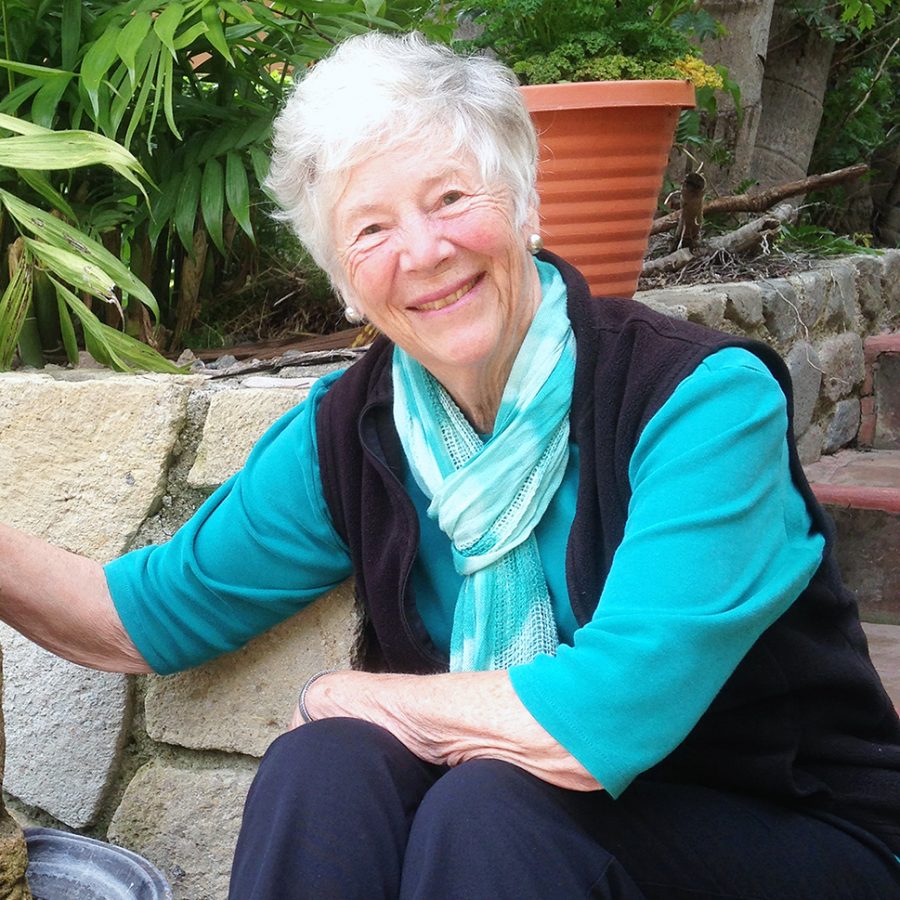
How can we turn good intentions into lasting positive impact when it comes to serving others? This idea guided a recent virtual conversation with a longtime Friendship Bridge supporter, Legacy Circle member, and author, Connie Newton. Hosted on Zoom by the Global Satellite Friendship Circle, this thoughtful discussion on service and philanthropy was open to all, with donation-based admission benefiting Friendship Bridge.
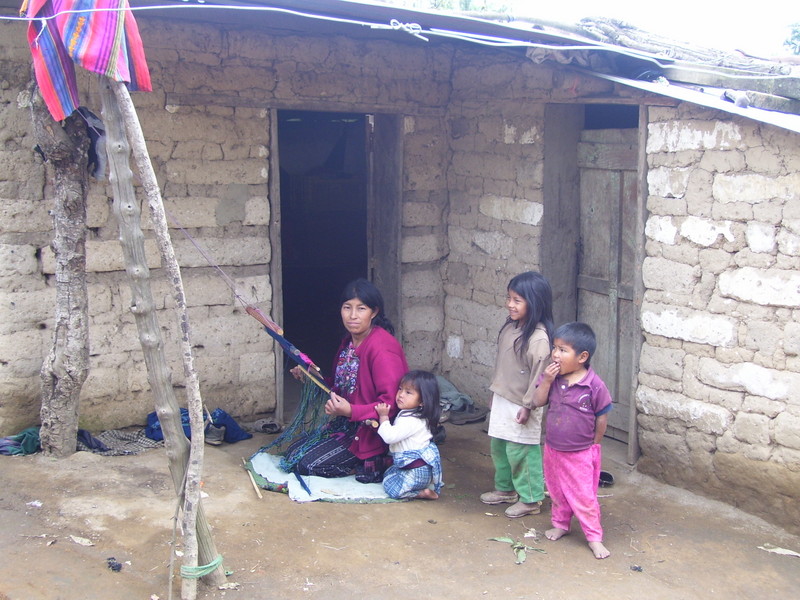
Connie’s work challenges well-intentioned people to move beyond simple charity toward respectful, sustainable partnership. This principle is central to—and embedded in—Friendship Bridge’s Non-Formal Education (NFE) program, which Connie helped found in 1998. Many Friendship Bridge clients have limited access to formal education, on average about 3.4 years, and primarily speak Indigenous Mayan languages rather than Spanish, Guatemala’s official language.
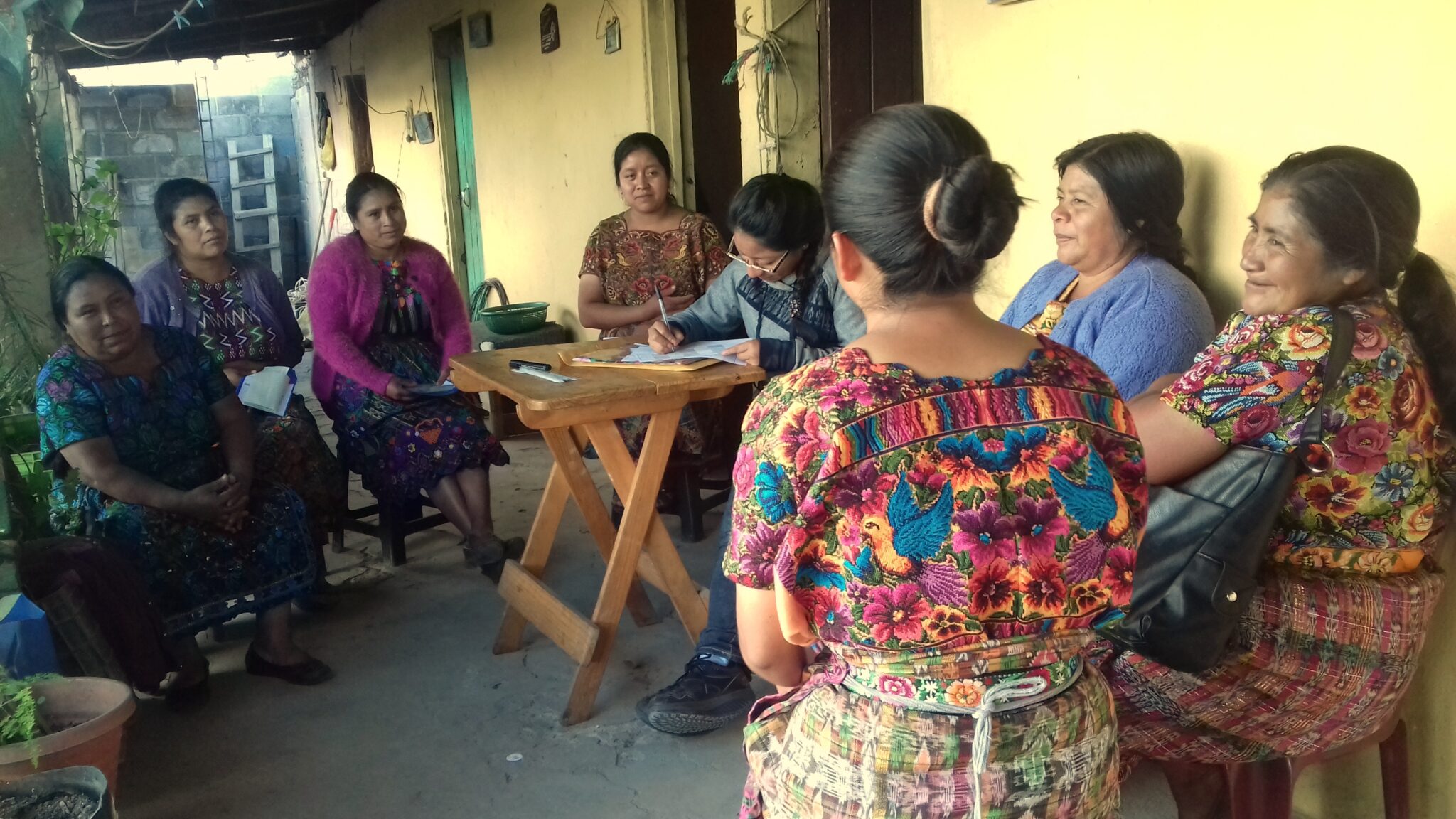
Through these participatory education lessons focused on priorities clients identify, such as business, women’s rights, health, and family, those involved gain skills and knowledge they carry for life, empowering them to create sustainable change for themselves, their children, and their communities.
So how else can we act as agents of respectful, sustainable partnership, positively impacting communities and lives along the way?
Connie and her dear friend, the late Fran Early, came together to develop a practical and candid guide for turning good intentions into meaningful change: Doing Good… Says Who? Stories from Volunteers, Nonprofits, Donors, and Those They Want to Help. With decades of experience in Guatemala and a background spanning social services, intercultural education, and human rights, Connie brought deep on-the-ground perspective, while Fran complemented that work with her expertise as a dedicated community organizer and social justice advocate—skilled at fostering dialogue and building trust across different faiths, races, and backgrounds.
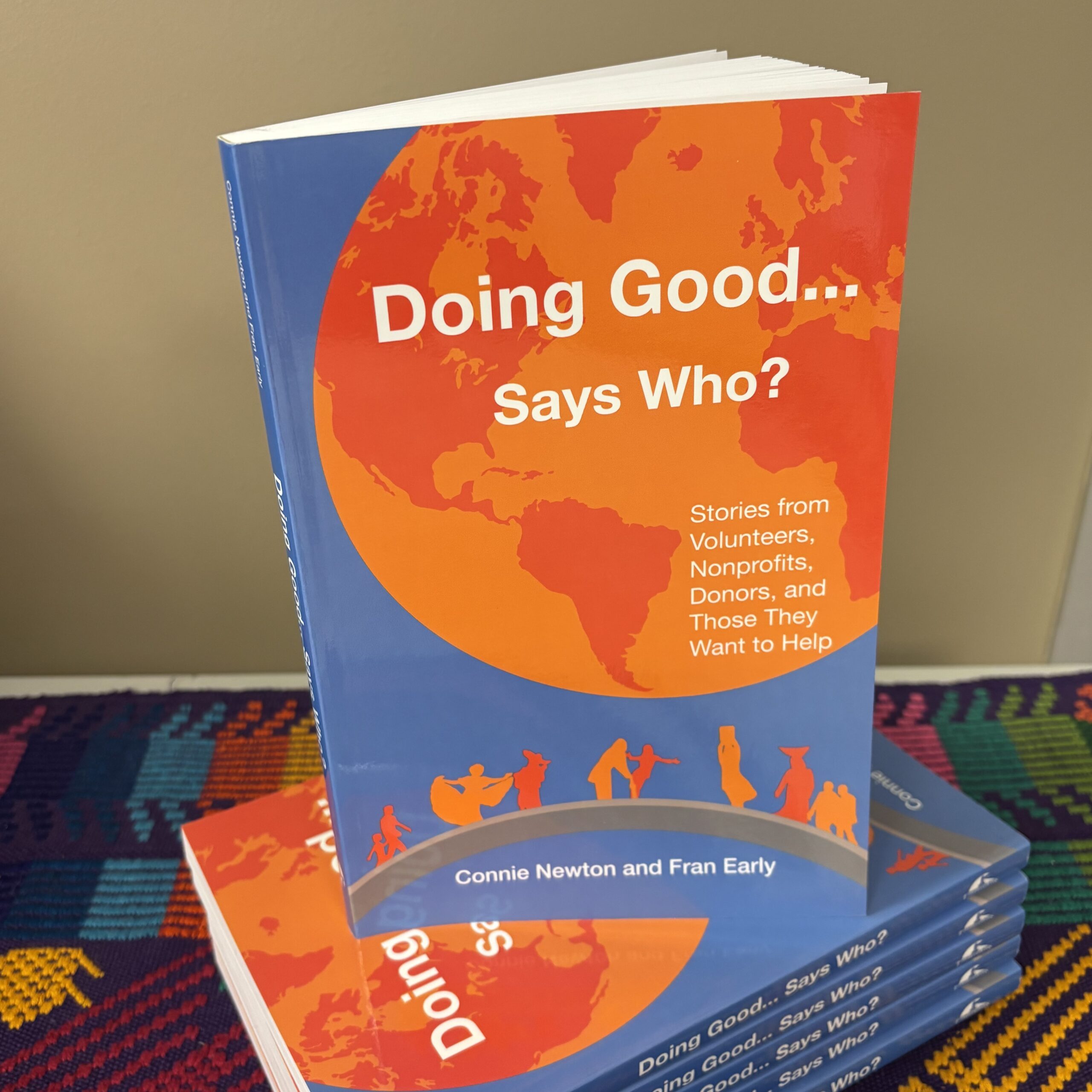
Through their collaboration, Connie and Fran distilled lessons into five key concepts to help readers reflect on their motivations, challenge assumptions, and transform good intentions into positive outcomes.
Below is a Q&A capturing highlights from the virtual conversation. [The full recording can be purchased here.]
When and how did the idea of writing this book first come to you and Fran?
The idea really came from Fran. We were neighbors in Panajachel after she’d gone to language school in Xela, and we spent a lot of time talking. Fran brought a background in community organizing and social justice—even in her earlier career as a VP at Prudential, she was focusing on inclusion, going into spaces where that kind of effort was uncommon and helping people see potential that others might overlook.
That same mindset shaped how she approached Guatemala and community development. We kept noticing that many people arrived with good intentions—sometimes those intentions helped, sometimes they didn’t. At first, we focused on the “bad stories,” but eventually we realized there was more to learn than just what went wrong.
Over time, our passions aligned. I was drawing on my background in intercultural education and human rights, which had shaped how I understood power, partnership, and whose knowledge is valued. Eventually, I told Fran, “I’m in. Let’s see if we actually have something to say.” That decision led to more than 400 interviews.
One condition I had was that Fran needed to be fully present in Guatemala, not just visiting while focused on her work in Boston. She agreed, and we spent six months living and working side by side, which kept the work honest and grounded.

In the book, you describe five principles that emerged from your interviews—principles you see as essential for turning good intentions into meaningful outcomes: respect and value people; build trust through relationships; do with rather than for; ensure feedback and accountability; and evaluate every step of the way. How did these principles emerge from the interview process?
We didn’t start with a set plan. It took a long time to organize more than 400 interviews, and the themes showed up as we listened. One of the biggest shifts was around respect and valuing people. Early on, a man we met in Xela said something that stuck with us: “We’re not less because we have less.” That became a starting point for everything else.
A lot of what we call “doing good” comes from the idea that something is broken and needs fixing. This work pushed us toward a different mindset—what’s often called asset-based development. Fran just said, “Turn your head around.” And really, your heart. When you see people as partners instead of problems, you stop treating them like objects and start seeing them as people with gifts. I felt that shift personally when I met Amalia, who appears in the first chapter. I thought I understood who she was, and I didn’t. She surprised me, and she’s still a friend today. That experience reinforced for me that “not less because they have less” isn’t just a nice idea—it’s where the work has to begin.
Fran’s organizing background helped guide how we made sense of the interviews, but the principles didn’t come from theory. They came from long days of listening, talking things through, and letting what people shared shape what we learned.
When working with new volunteers, what advice do you share to help them build trust?
First, get quiet—especially if you’re in a different culture. If the language is different, you’re forced to listen more anyway. But even in your own culture, or a different part of it, being quiet matters. It means letting go of the part of ourselves that wants to be liked or to have the answers. Quiet helps.
The other piece is asking simple, human questions. How are you? How many kids do you have? Do you like to cook? Those kinds of questions help you find your shared human ground.
I think about this a lot from the early days of Friendship Bridge’s education work. Many families had eight or nine children, and of course we wanted to talk about family planning. But it was a taboo subject. We had to be quiet and patient long before we could even say the words, let alone talk about choices. So instead, for a long time, we asked different questions to build trust and relationships. Very human ones: What’s growing in your garden? Who annoyed you today?
That’s really the foundation—building relationships. Sometimes that means silence, and sometimes it means questions. And the more we ask, the more we discover the remarkable person on the other side. That’s when trust grows. And honestly, that’s where the joy is.
These principles apply beyond volunteering to everyday life. What feedback from readers has resonated with you most?
One of the most meaningful responses came from the Peace Corps. The book became required reading for Peace Corps volunteers in Guatemala, and it really resonated because they needed to build relationships in their communities. At the time, the Peace Corps director here understood how essential it is to listen first and build trust before trying to launch any kind of project. That approach shifts the questions we ask.
When we start with “What does this community need?” we often end up focusing on deficiencies—the things that are missing or broken. But when we ask about assets, or what people want to do, we learn something very different. People have priorities, strengths, and ideas of their own. Hearing that the book encouraged that kind of listening and relationship-building meant a lot to me. Looking at your five principles—especially the last two around feedback, accountability, and evaluating every step of the way—I’ve been impressed by how carefully Friendship Bridge does this as an organization.
From your own experience, has feedback or ongoing evaluation ever led you to change how you do things, or to look back and think, “I wish we’d known this sooner”?
One of the biggest lessons for us was just how critical evaluation really is. It took us nearly seven years to write the book, and during that time—from roughly 2008 to 2015—most nonprofits relied heavily on anecdotal stories. You’d see a compelling photo of a woman or a child on a website, and that story often stood in for impact.
As we were writing, we started asking harder questions about what real evaluation looks like. If you’re running a nutrition program, are you measuring children’s height and weight? School attendance? What are you actually tracking to know whether the work is making a difference? Some organizations began doing that during that period, and they were the ones who pushed us to include the chapter on evaluation and accountability.
That’s why Friendship Bridge’s approach to evaluation today really matters. I remember when we told mostly anecdotal stories, too. But as organizations grow, the responsibility grows with them. You have an obligation to ask whether a strategy is really accomplishing what you hoped it would—and you can’t know that if you don’t measure it.
Some people don’t want to know. It’s easier to keep telling the stories. Collecting impact data takes time, money, and expertise, and early on it can feel like a luxury when you’re focused on delivering services. What I’ve learned is that evaluation has to be built in. When it is, you can be very proud of what you’re doing.
But we also have to be honest with ourselves. If you’re not collecting impact data, you can’t be fully confident your strategies are working. Scale matters, too—small organizations may not have the resources unless they’re especially creative, and some are. The point is to be willing to look closely and respond to what you learn.
There are so many memorable lines in the book. One that really stuck with people was, “Working hard is part of being thankful.” Is there anything else you’d like to share?
One of the things this book forced me to sit with was imperfection, starting with my own. How I see the world. If I assume something is broken and needs fixing, sometimes that’s true, and sometimes it isn’t. Sometimes it’s just part of being human.
I’ve come to see that as a tender place, a kind of balance point: how we hold imperfection in ourselves, and how we hold it in the world. How we care for it. Sometimes the work isn’t fixing at all—it’s simply honoring what’s there.
And yes, you can get into trouble that way. But I think that’s our work–drawing on the words of civil rights leader John Lewis–to do good trouble.
As the conversation wrapped up, participants were invited to reflect on their own volunteer experiences—what they had learned, what had challenged them, how their understanding of service may have shifted over time. Rather than offering answers, the space emphasized listening and shared reflection.
An audience member then raised the importance of understanding Guatemala’s political and historical context. Connie reflected on how decades of violence during the Guatemalan Civil War (1960–1996) shaped silence and trust, and on the importance of building relationships before inviting people to share their stories. The exchange underscored that learning, especially about history and context, is part of showing up thoughtfully. It also sparked interest in future opportunities for Friendship Bridge supporters to learn more about Guatemala’s history.
Participants expressed appreciation for the sense of community, for being among others asking how to turn good intentions into lasting positive impact—and for Connie’s generosity, candor, and lasting contributions to Friendship Bridge.
About the author: Kaylin Lang first worked with Friendship Bridge as an intern in Guatemala before returning as a Content Associate contractor. Today, she works with Kiva, a global microfinance nonprofit and partner of Friendship Bridge, where her team facilitates access to capital for entrepreneurs in underserved communities—a mission that resonates deeply with her values.
Are you a Friendship Bridge Circle member or volunteer who has a story to share on our blog? Please see our Submission Guidelines.