Select language
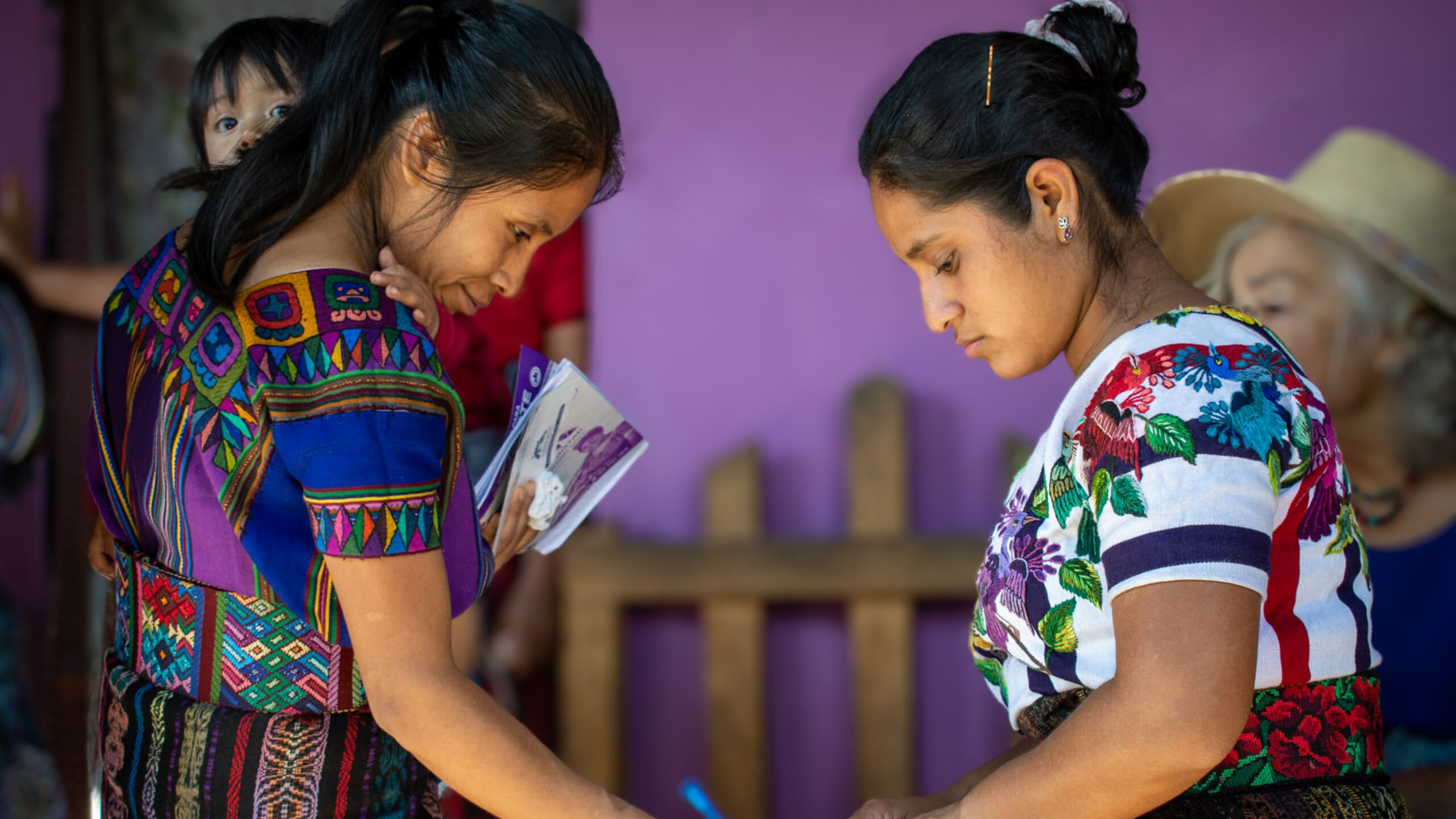
A client holding a child signs off on a loan payment with a Credit & Education Facilitator.

Our Approach

Our Theory of Change shows how loans, education, health services, and business support work together to create lasting change for the women we serve in Guatemala.

We believe microloans must coincide with education and health services to increase resilience, empowerment, and business development in our clients. Providing these services moves the women we serve toward greater empowerment and financial independence than by providing credit alone.

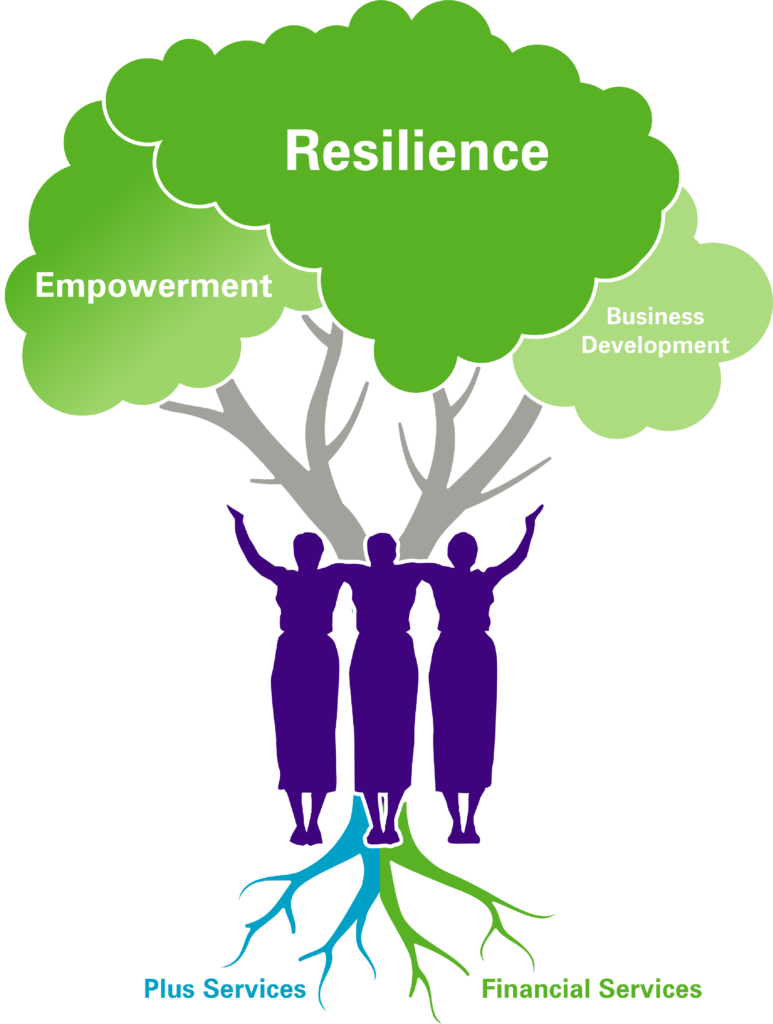
With this belief as the guiding light for the organization, we define our Theory of Change through the metaphor of a tree. Just like a tree needs water, sun, and nutrients to thrive, access to credit and the right support services together help our clients grow. The trees below represent the two distinct client segments we serve: Dreamers and Entrepreneurs. The roots represent our products and services, and the leaves are the outcomes we expect our clients to achieve.

Dreamers: Necessity-Driven Entrepreneurs

Dreamers are women largely below the National Poverty Line, mainly in rural areas, earning between $1.11–4.49 per day. This segment, known as “necessity-driven entrepreneurs,” are working out of necessity to support their families and contribute to household income. These women are characterized as hard to reach, looking for access to financial services to support a variety of productive economic activities.

Dreamers comprise over 95% of Friendship Bridge’s clients, with small, shorter-term loans offered through our Trust Bank group lending methodology, paired with education and preventive health services. Our Theory of Change for this segment focuses on improving each client’s resilience and empowerment to positively impact her business, family, and community.

Plus Services:

  • Non-Formal Education: Provided monthly during our clients’ Trust Bank loan repayment meetings, this offers our clients skills and knowledge on topics they’ve identified as most important, including business and finance management, women’s rights, health, and family.
  • Health for Life: Culturally-sensitive services are delivered via mobile clinics that travel to the villages where our clients live, staffed by female medical professionals fluent in the Indigenous languages our clients speak.
  • Women’s Agriculture Credit & Training: Gives smallholder women farmers in Guatemala the financial and technical training to grow their harvests and overcome challenges such as poor soil conditions, limited plot sizes, and restricted access to credit and agricultural inputs.
  • Advanced Business Training: Offers women entrepreneurs hands-on technical training and targeted business development to gain additional practical market-driven skills, improve existing enterprises, or launch new income-generating activities.

Financial Services:

  • Group Loans: Provided through Trust Banks of 7–25 women who co-guarantee each other’s loans, creating social collateral and mutual support.
  • Parallel Loans: Additional capital for Trust Bank members with strong repayment histories who need to grow their businesses.
  • Chanim-Chanim Loans: Short-term loans for fast access to capital during emergencies or urgent opportunities. Translates as “very fast” in Kaqchikel (Indigenous Mayan language).

Impact:

  • Participate in decisions about their health
  • Participate in decisions about their income
  • Improved economic well-being
  • Improved conditions at home
  • Children in school, both more and longer
  • Build and grow assets over time
Friendship Bridge's Theory of Change for Dreamers, shown as a tree. The roots represent inputs: Plus Services and Financial Services. The trunk represents Dreamer clients. The branches represent outcomes: Empowerment, Resilience, and Business Development.

Entrepreneurs: “Missing Middle” Entrepreneurs

Entrepreneurs are women who have outgrown the microfinance group lending model and are ready to start or expand a business. They have an enterprising spirit, are resilient, and are willing to assume some financial risk but are still living in vulnerable circumstances and in need of tailored support. This segment is also known as the “missing middle”, earning too much for many microfinance programs, yet earning too little for traditional banks. Although Entrepreneurs represent a smaller portion of our total clients, their impact extends well beyond their own families to their employees and the broader community, making them a powerful force for building economic sustainability in rural Guatemala.

To serve this highly variable segment, Friendship Bridge provides personalized services through our Bridge to Success program focused on business growth, increased empowerment, and job creation. Clients access individual loans structured around their specific business opportunities and capacity alongside personalized mentoring, technical training, connections to peer networks, and access to markets.

Plus Services

  • Business Development: Business training, mentorship, and acceleration services for leadership and job creation.
  • Peer-to-Peer Connections: Connects clients to a network of women entrepreneurs for peer learning and business opportunities.
  • Handmade by Friendship Bridge®: Supports artisan clients of Friendship Bridge with the skills, education, learning experiences, and technical assistance they need to independently sell their handmade products in local, national, and international markets (and in our online store).

Financial Services

  • Individual Loans: A larger, long-term loan offered to accelerate the growth of a business.

Impact

  • Create jobs and quality employment
  • Increased income and/or assets
  • Contribute to community sustainability
  • Increased leadership at home, in her business, and in her community

Friendship Bridge's Theory of Change for Dreamers, shown as a tree. The roots represent inputs: Plus Services and Financial Services. The trunk represents Dreamer clients. The branches represent outcomes: Empowerment, Resilience, and Business Development.

Learn about the programs

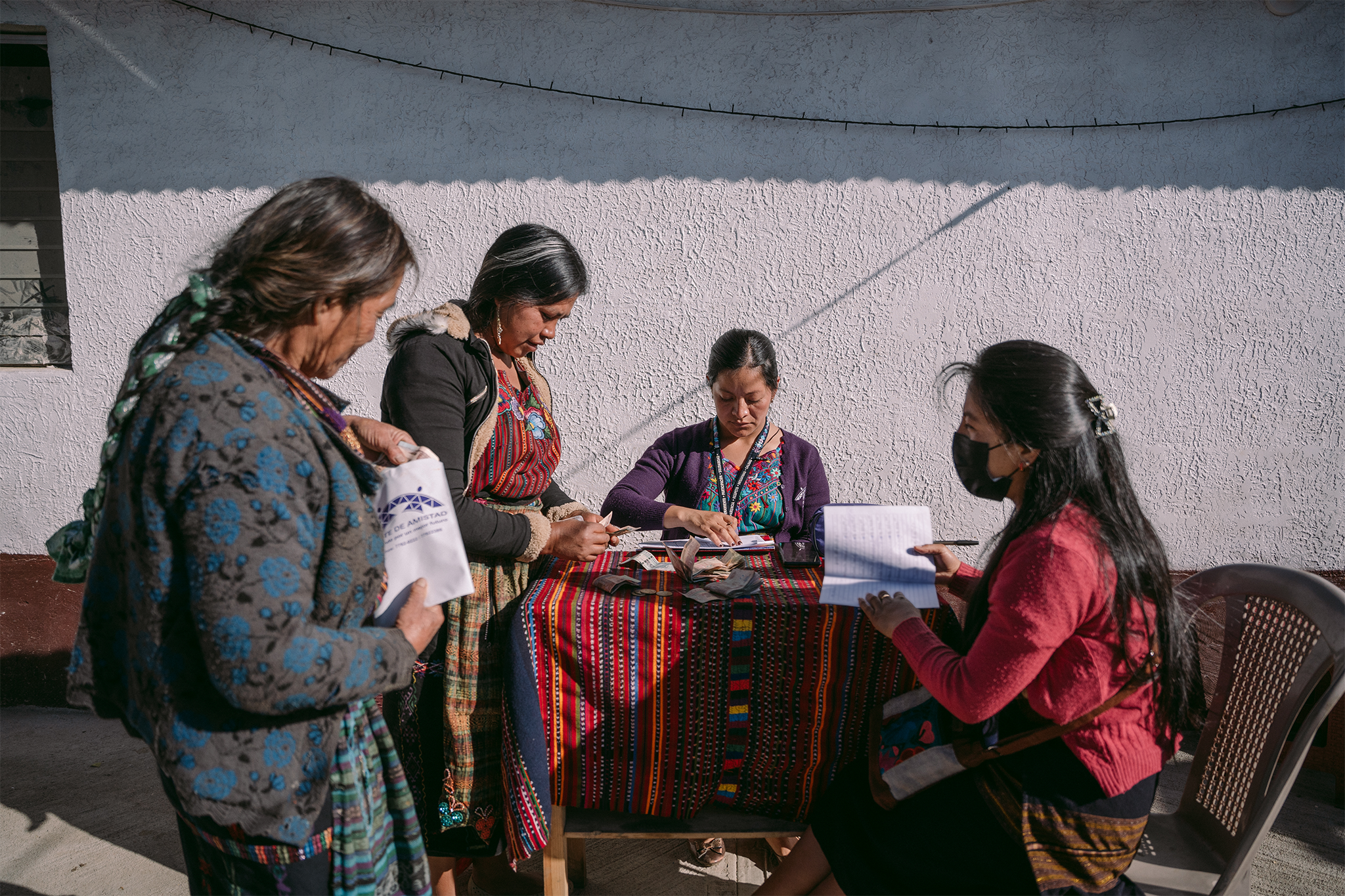
Clients and a Facilitator gather around a table outdoors counting cash and preparing loan payments.

Microcredit built for Indigenous, rural women in Guatemala

For more than 25 years, Friendship Bridge has provided microcredit to Indigenous Maya women in rural Guatemala, so they can invest in their businesses, support their families, and create jobs in their communities. Read about our approach to microcredit here.

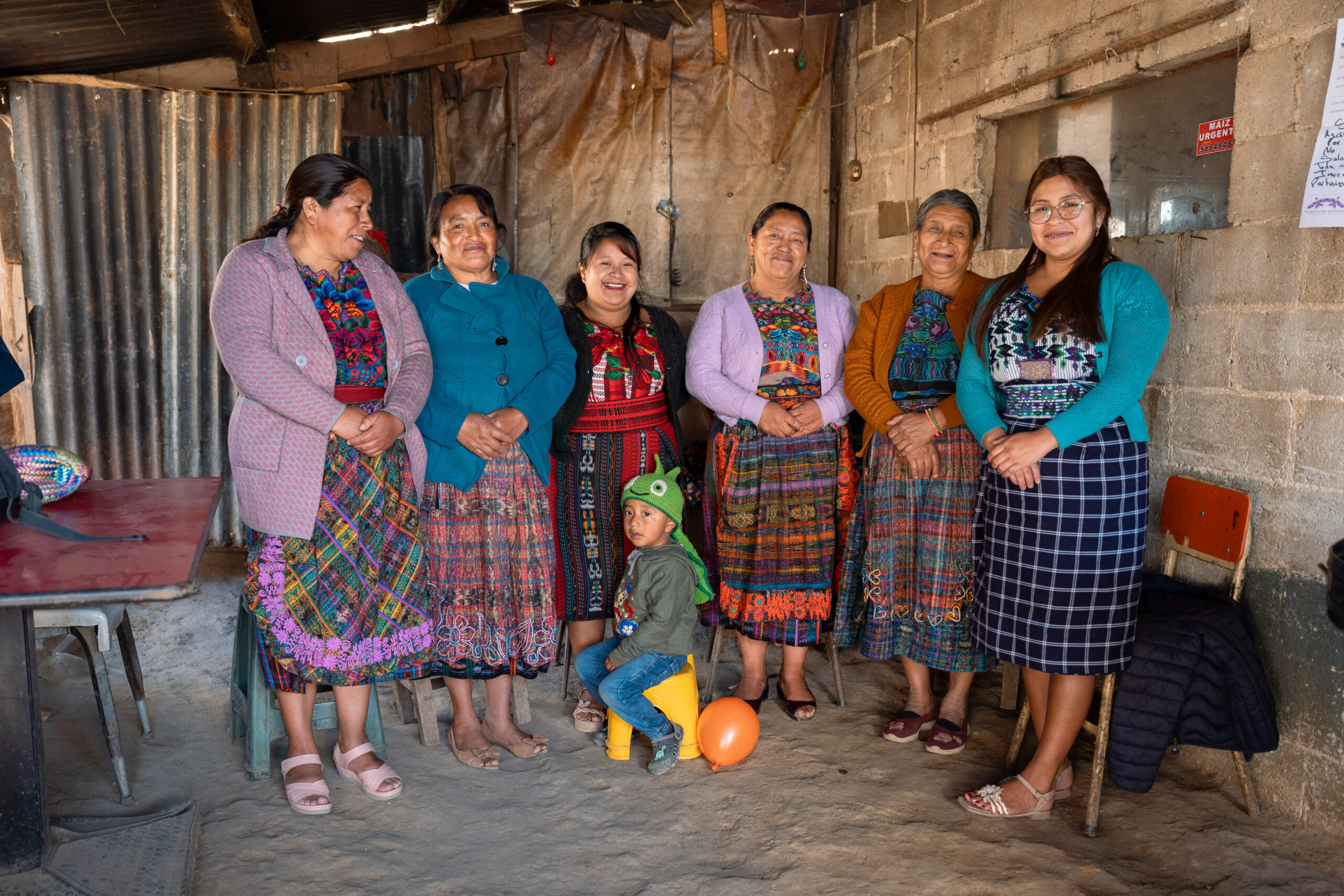
Members of a Friendship Bridge Trust Bank smiling together at their meeting.

Non-Formal Education

Non-Formal Education, provided monthly during our clients’ Trust Bank loan repayment meetings, offers our clients skills and knowledge to create sustainable change for themselves, their children, and their communities.

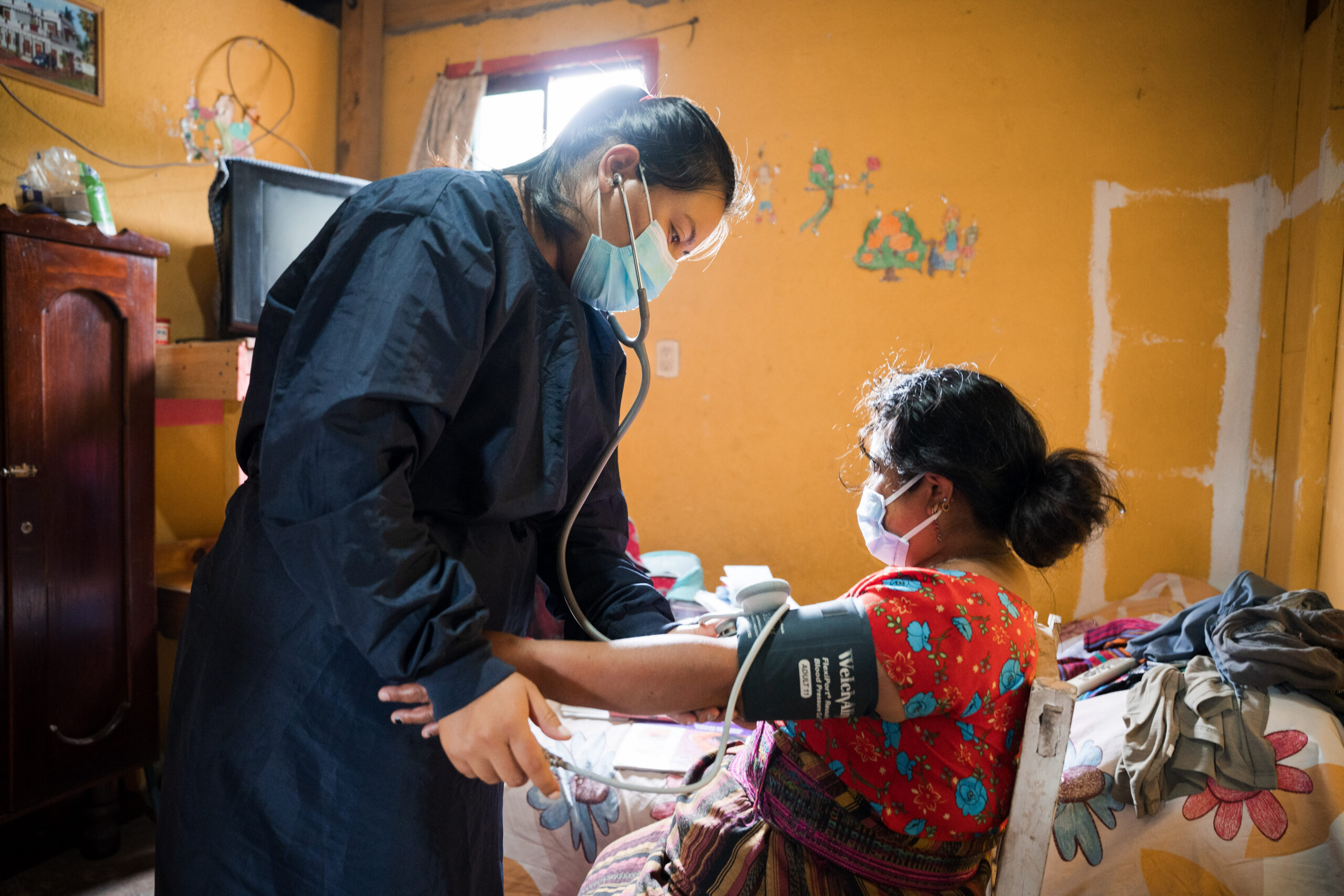
A nurse checks a Friendship Bridge client's blood pressure during a Health for Life checkup, using a stethoscope and blood pressure cuff.

Health for Life

Through the Health for Life program, health education and screenings are made possible for Guatemalan women who would otherwise go without. Since 2015, Health for Life has provided over 25,000 women with health services that catch treatable conditions early.

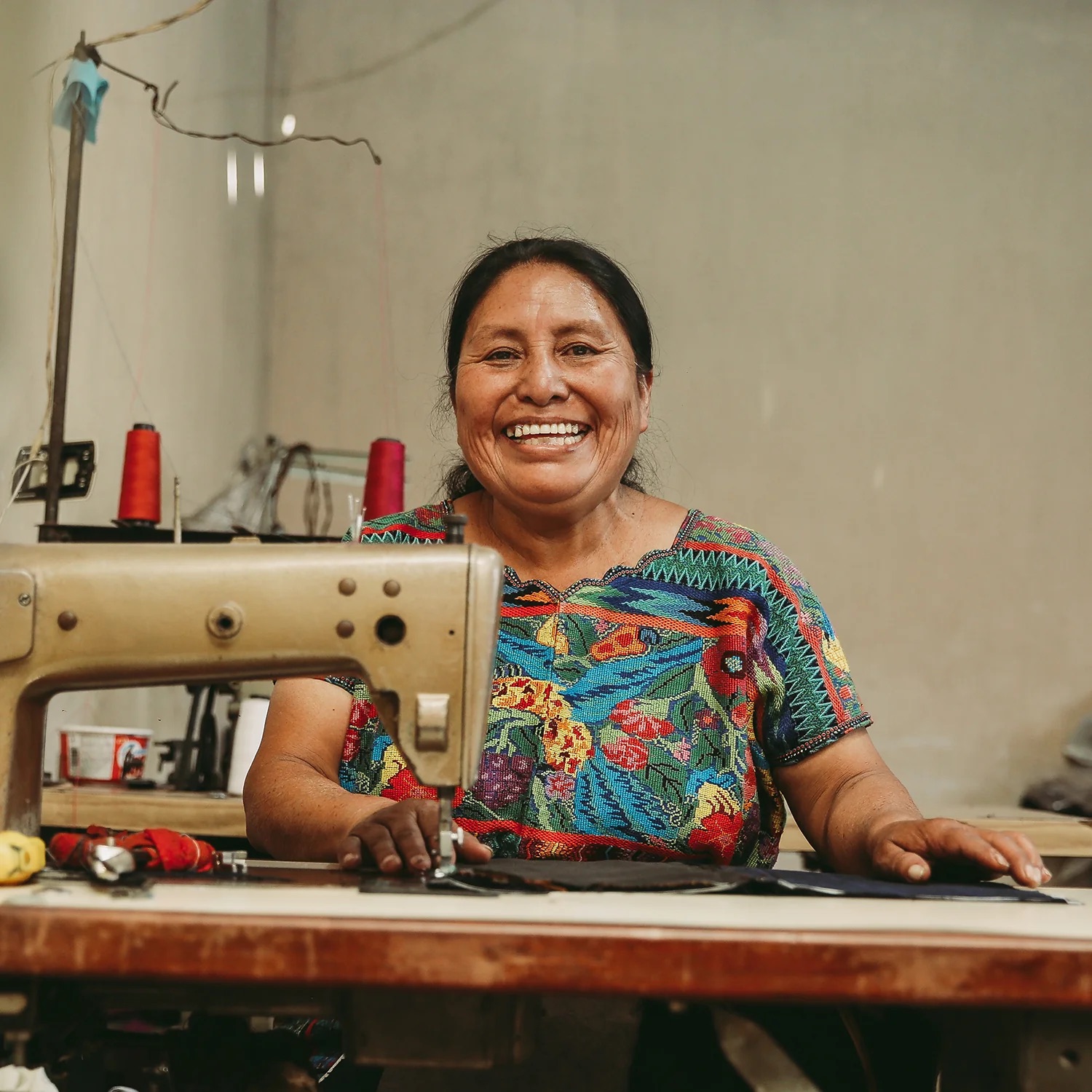
Jacinta, an artisan in the Handmade by Friendship Bridge® program, at her industrial sewing machine.

Handmade by Friendship Bridge®

Handmade by Friendship Bridge® provides women artisan entrepreneurs with business training and income-generation opportunities. By connecting artisans to U.S. and international markets, women have the opportunity to grow sustainable businesses while preserving cultural traditions.

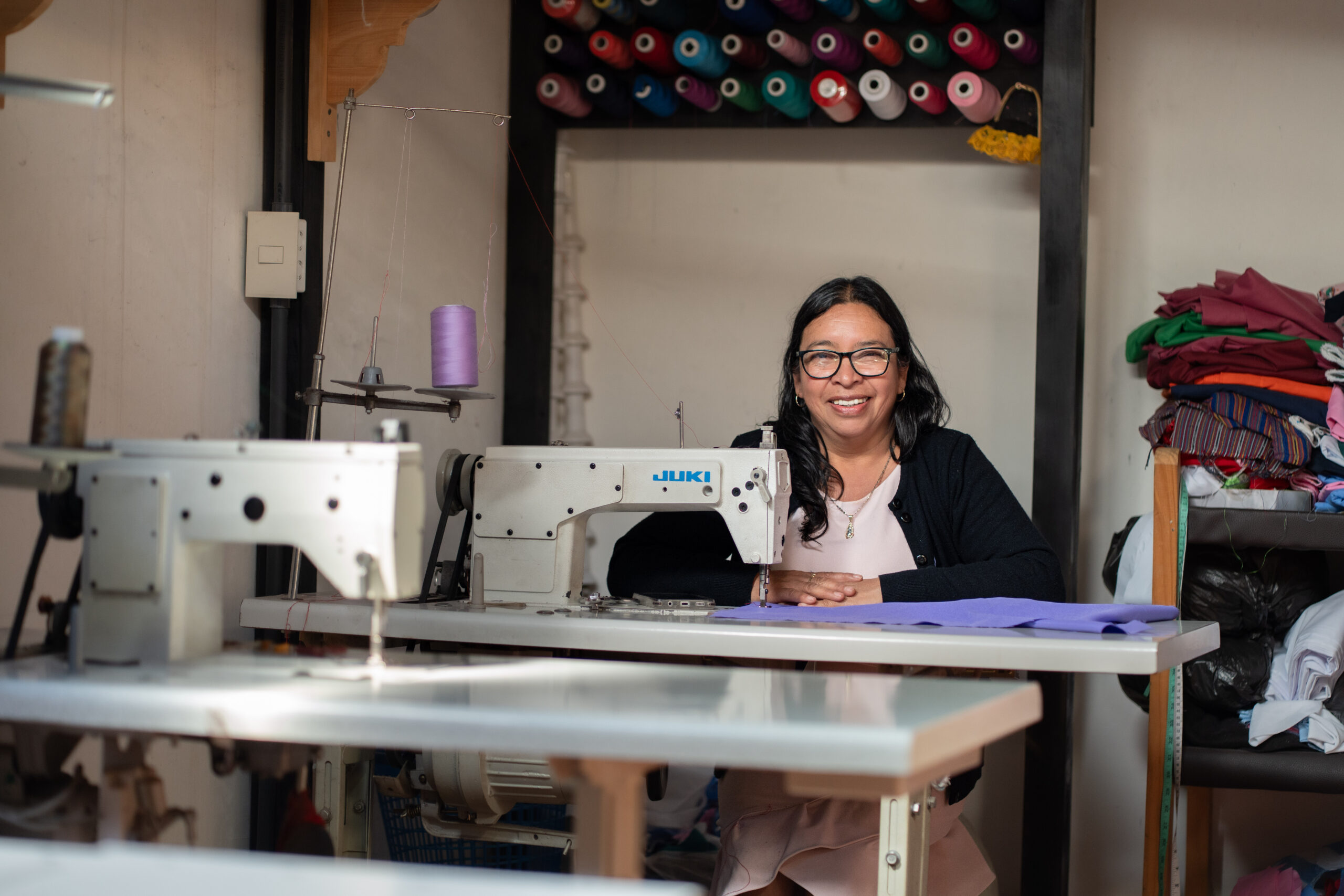
A Bridge to Success client sits at an industrial sewing machine.

Bridge to Success

Bridge to Success combines individual loans with business training, coaching, and networking opportunities, enabling women entrepreneurs to scale sustainably and build resilient enterprises.

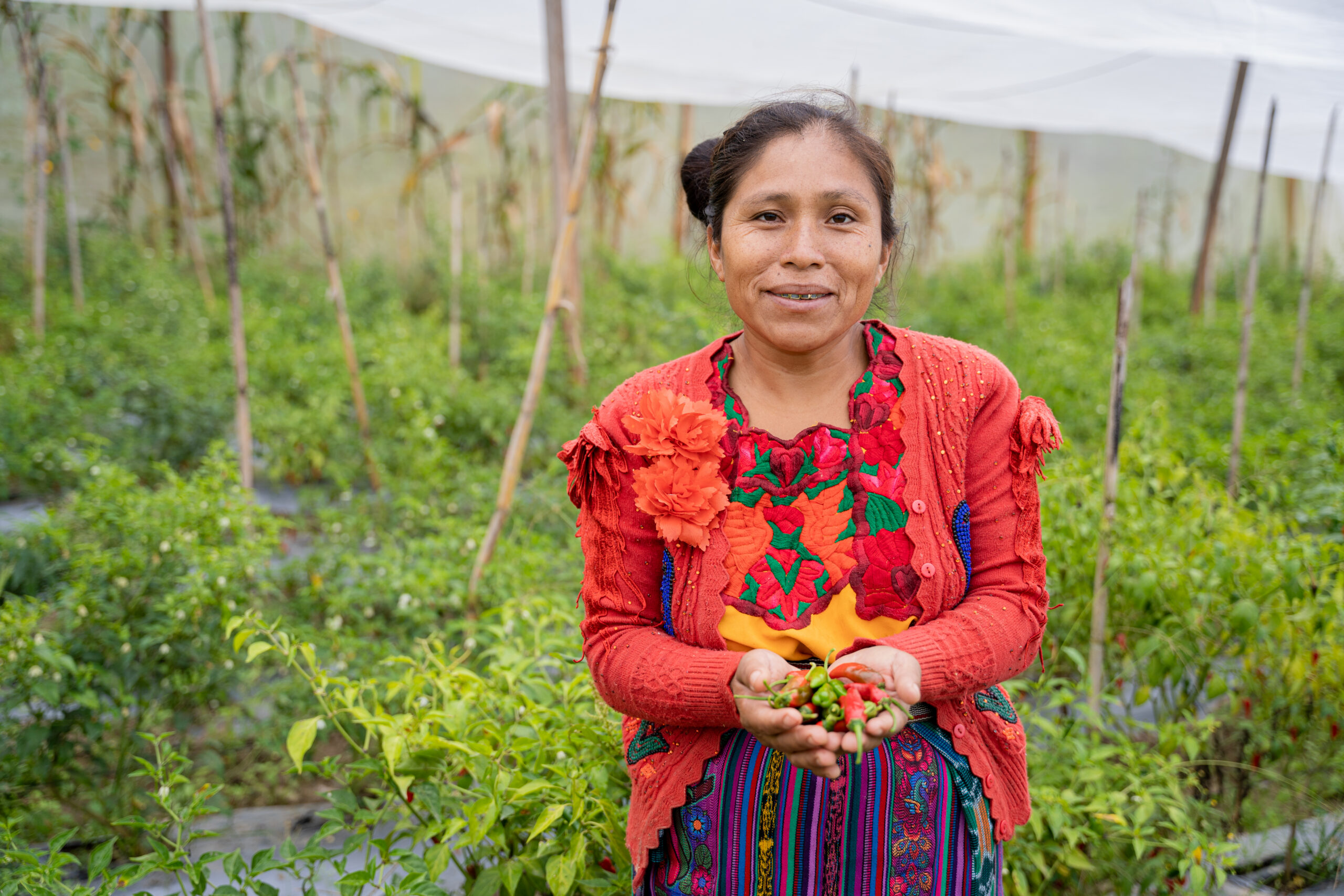
A Friendship Bridge client holds a handful of small red and green chili peppers, standing in a covered greenhouse.

Women's Agriculture Credit & Training

Women’s Agriculture Credit & Training gives smallholder women farmers in Guatemala the financial support, technical training, and business skills to grow their harvests, raise their income, and build lasting resilience against poverty.