Select language
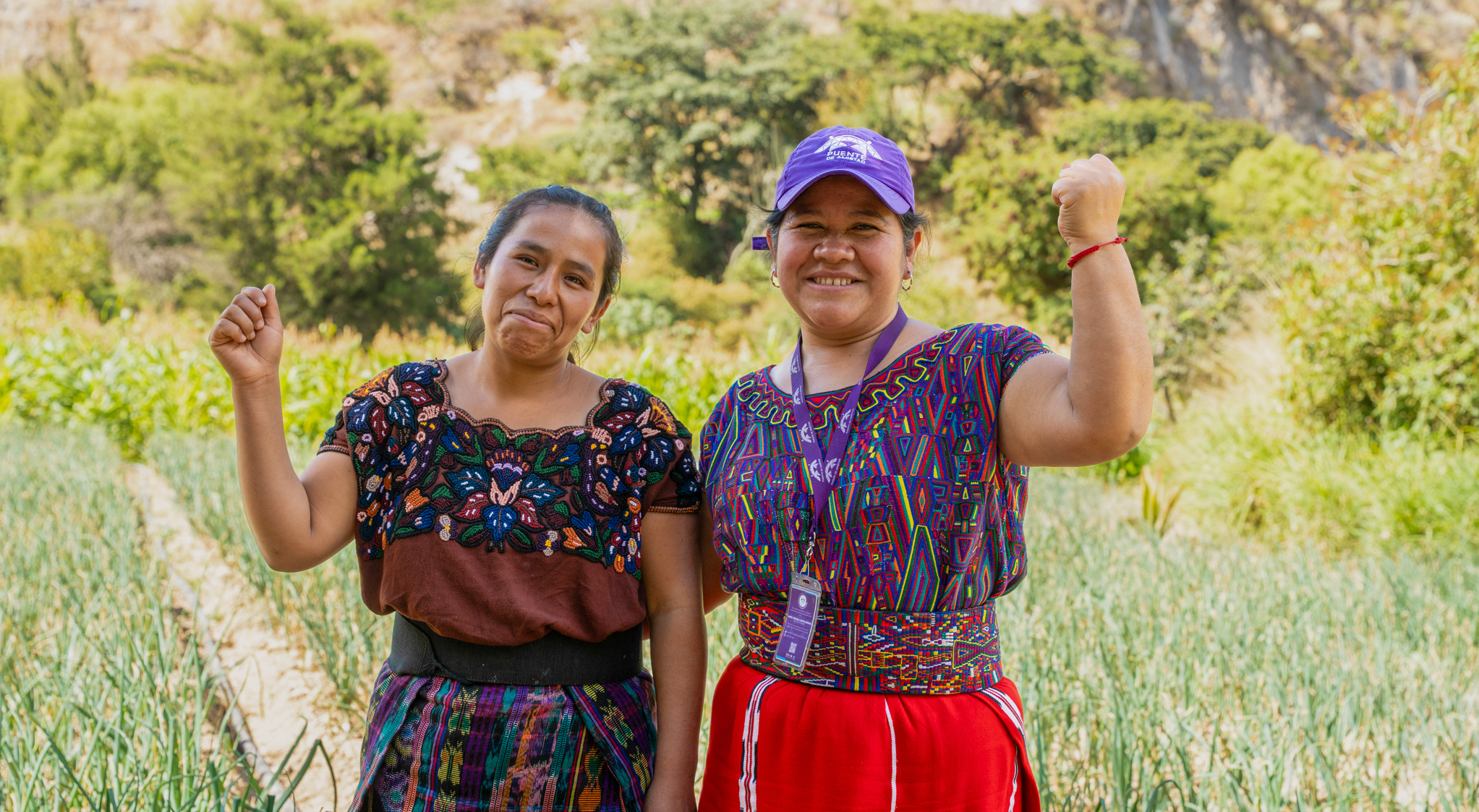
A Friendship Bridge Agriculture program client and a staff member smile and raise their fists together in a crop field.

About Us

Friendship Bridge is a nonprofit working with Guatemalan women to build businesses, skills, and healthier futures. Learn about our mission, our history, and the people and programs behind the work.

Friendship Bridge is a 501(c)3 nonprofit social enterprise creating opportunities that empower Guatemalan women to build a better life.

We utilize the tools of microcredit, education, preventive health services, agricultural training, and business development to support our clients in building resilience and pursuing their chosen opportunities. Together, these inputs strengthen what each woman is already building in her business, with distinct outcomes for each client segment reflecting their unique circumstances and potential.

Established in 1990 and headquartered in Lakewood, Colorado, Friendship Bridge operates 13 branch offices in Guatemala. Clients are 100% women, primarily Indigenous Maya, and live in rural communities with some of the highest poverty levels worldwide. Annually, Friendship Bridge supports over 37,000 women and through our programming, we are changing how clients see, respond to, and overcome the protracted issues of poverty for themselves, their families, and their communities.

Mission

Creating opportunities that empower Guatemalan women to build a better life.

Vision

Empowered women choosing their own path.

Impact Objectives

To increase resilience, empowerment, and business development.

Play video Watch the video: Friendship Bridge's Impact.

Friendship Bridge's Impact (1:42)

Learn more about how Friendship Bridge impacts the lives of Guatemalan women in this video.

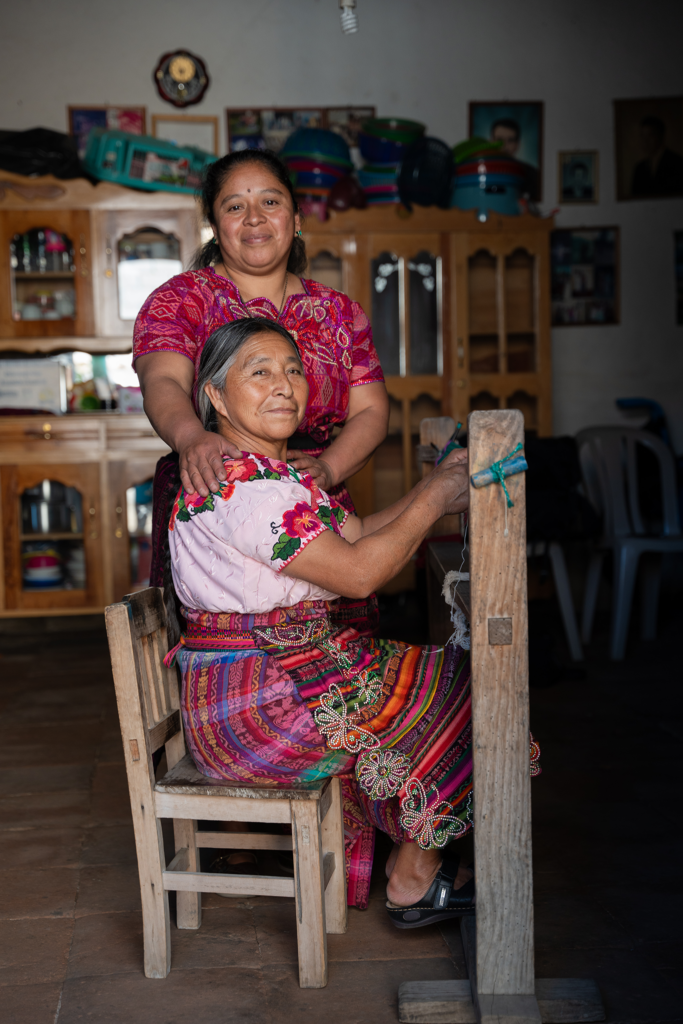
A Friendship Bridge client stands with her hands on her mother's shoulders while her mother works with thread on a wooden loom frame.

Why Women and Why Guatemala?

Studies have shown that when women are successful, they invest beyond themselves, in their children, and in their communities. Investing in women is smart from both an economic and a social perspective.

  • Reinvesting: Studies show that when women earn more money, they invest 90% of it back into their families and communities, and that helps make their communities stronger. Source: Why Investing in Women Benefits Us All
  • Gender Disparities: Guatemala ranks 81st out of 146 countries in gender equality, making it the third most gender unequal country in Latin America. In addition, Guatemala has one of the lowest female labor force participation rates in the region. Source: Global Gender Gap Index 2025
  • Poverty: Guatemala is caught in a cycle of consistently high poverty and inequality. 56% of the total population of Guatemala lives in poverty. The situation is more extreme for Indigenous people, with a poverty rate exceeding 62%. Source: The World Bank’s Poverty and Equity Brief 2025
  • Undernutrition: Nearly one-half of Guatemala’s children under the age of 5 have stunted growth (low height and weight) as a result of undernutrition. Source: 2025 Global Hunger Index
  • Migration: Guatemalans face high levels of poverty, violence, natural disasters, and corruption, ultimately leading some to migrate from Guatemala. Our work is focused on supporting women-led businesses that increase our clients’ income, so they don’t need to make the difficult choice to migrate. Family is so important to Guatemalans—it is common that several generations will live together. We believe they deserve to stay together, while being safe and financially secure in their home country.

How It Works

We believe that microcredit must be combined with education and preventive health services to help clients build resilience and pursue their chosen opportunities. We call this approach Microcredit Plus: clients who borrow can also take part in other supporting services. Learn more about each one below.
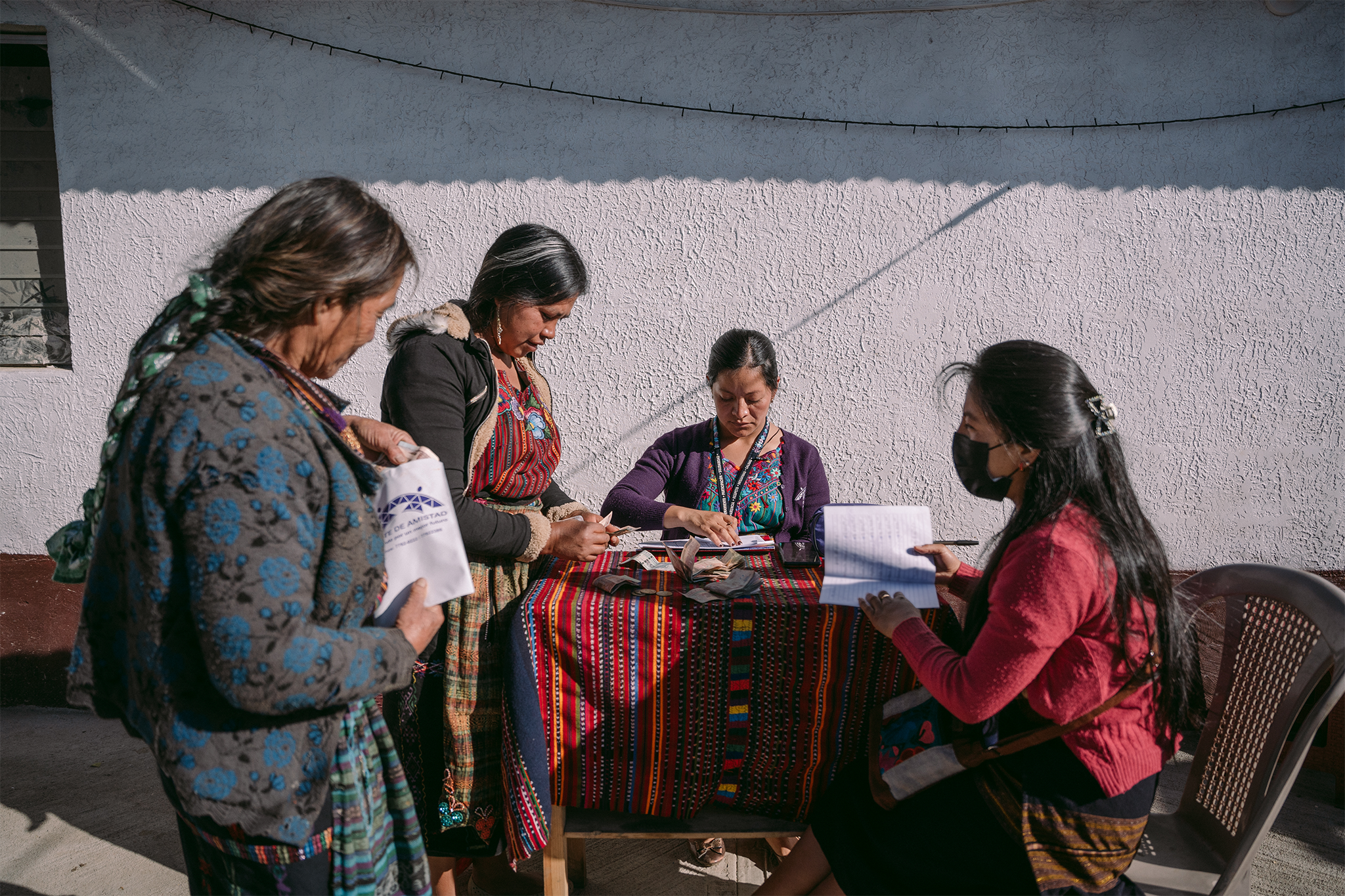
Clients and a Facilitator gather around a table outdoors counting cash and preparing loan payments.

Microcredit

For more than 25 years, Friendship Bridge has provided microcredit to Indigenous Maya women in rural Guatemala, so they can invest in their businesses, support their families, and create jobs in their communities. Read about our approach to microcredit here.

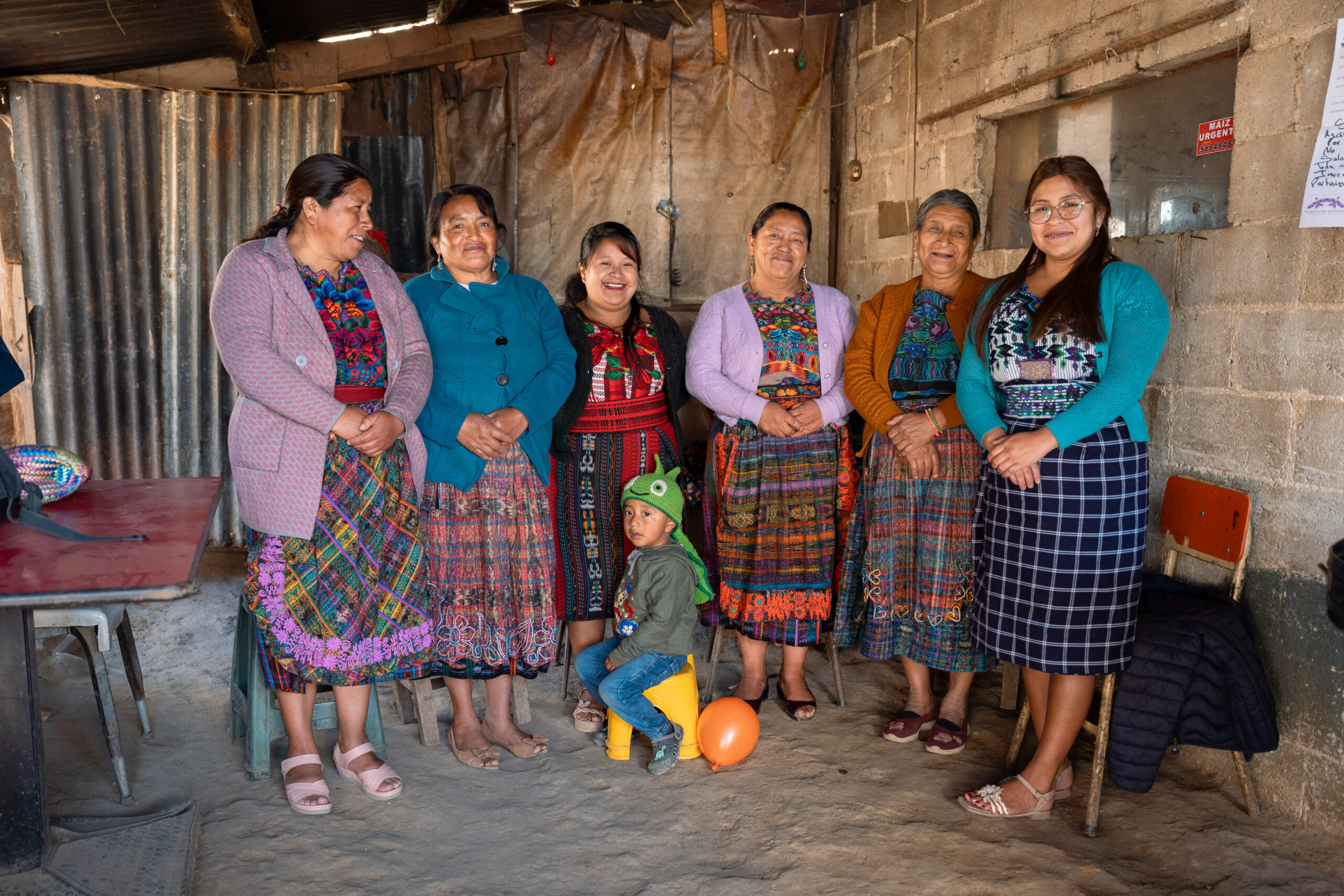
Members of a Friendship Bridge Trust Bank smiling together at their meeting.

Non-Formal Education

Non-Formal Education, provided monthly during our clients’ Trust Bank loan repayment meetings, offers our clients skills and knowledge to create sustainable change for themselves, their children, and their communities.

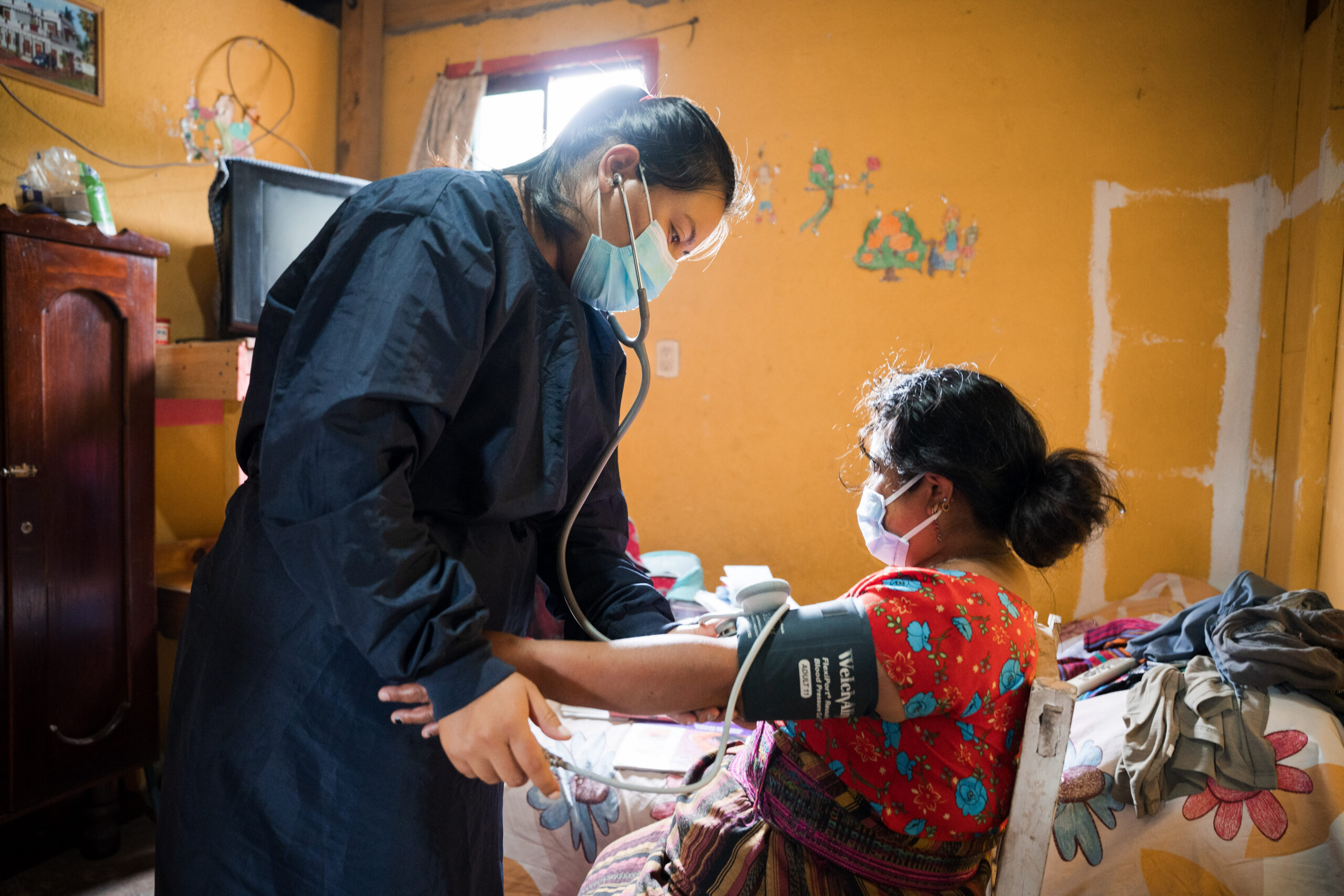
A nurse checks a Friendship Bridge client's blood pressure during a Health for Life checkup, using a stethoscope and blood pressure cuff.

Health for Life

Through the Health for Life program, health education and screenings are made possible for Guatemalan women who would otherwise go without. Since 2015, Health for Life has provided over 25,000 women with health services that catch treatable conditions early.

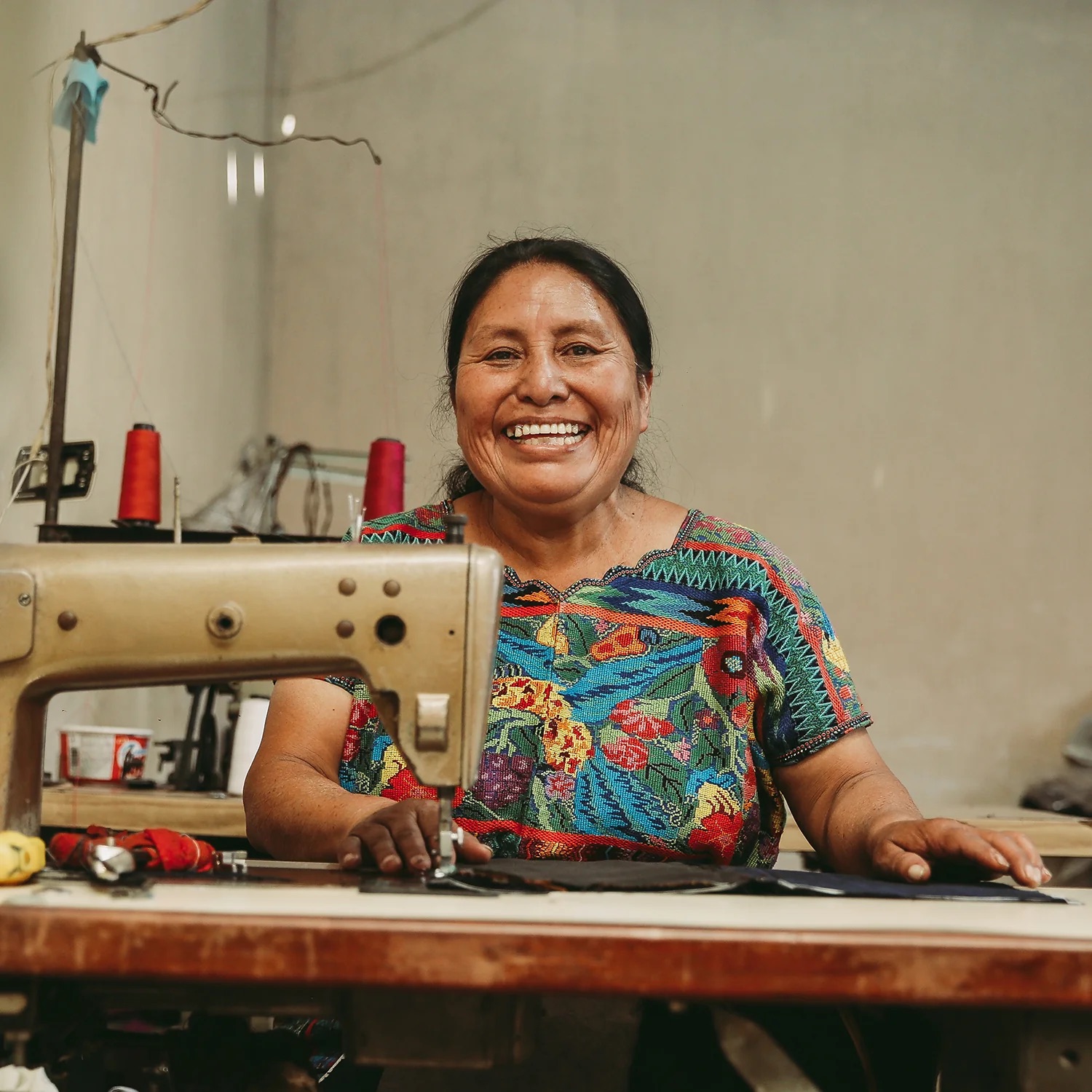
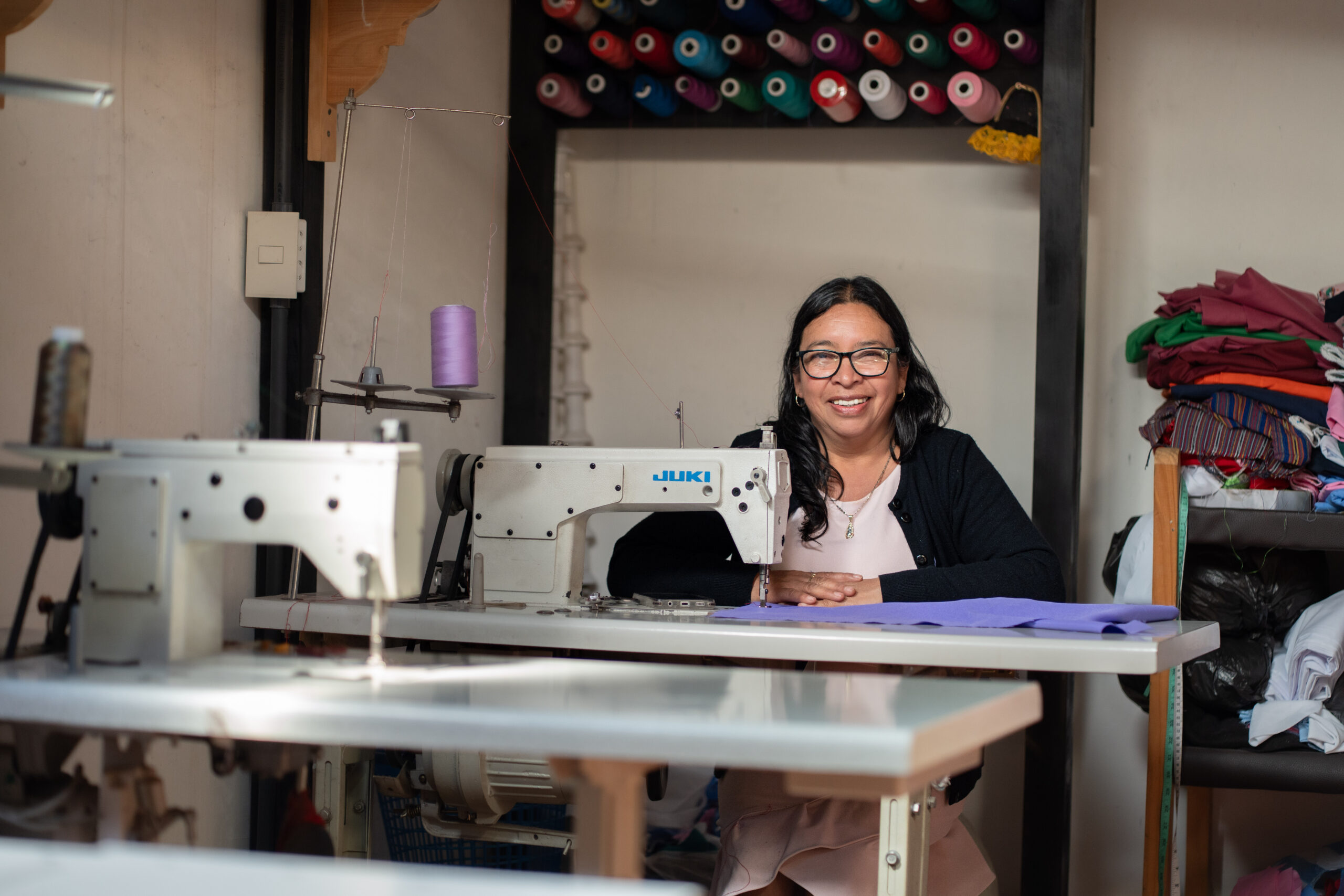
Jacinta, an artisan in the Handmade by Friendship Bridge® program, at her industrial sewing machine.

Handmade by Friendship Bridge®

Handmade by Friendship Bridge® provides women artisan entrepreneurs with business training and income-generation opportunities. By connecting artisans to U.S. and international markets, women have the opportunity to grow sustainable businesses while preserving cultural traditions.

A Bridge to Success client sits at an industrial sewing machine.

Bridge to Success

Bridge to Success combines individual loans with business training, coaching, and networking opportunities, enabling women entrepreneurs to scale sustainably and build resilient enterprises.

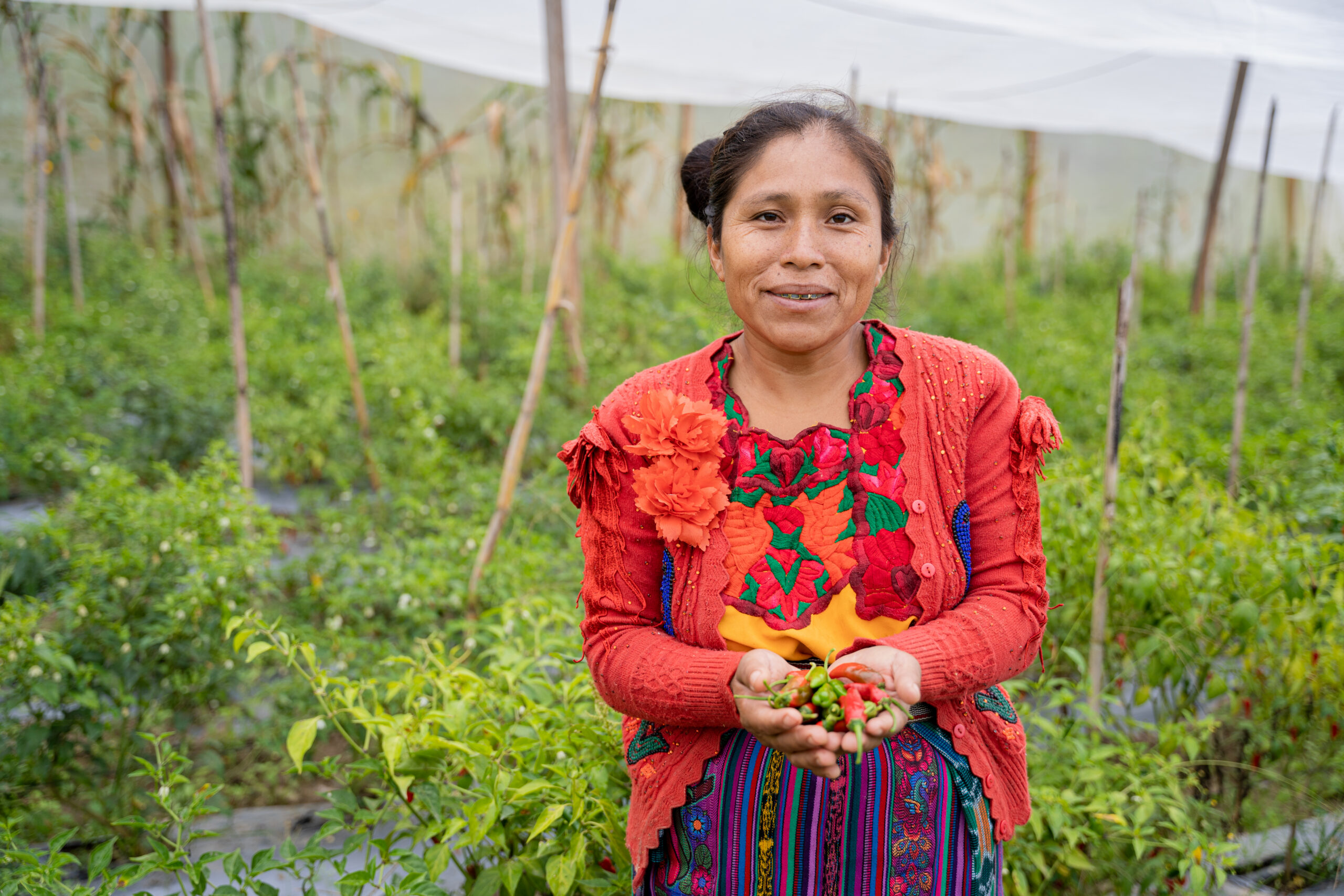
A Friendship Bridge client holds a handful of small red and green chili peppers, standing in a covered greenhouse.

Women's Agriculture Credit & Training

Women’s Agriculture Credit & Training gives smallholder women farmers in Guatemala the financial support, technical training, and business skills to grow their harvests, raise their income, and build lasting resilience against poverty.

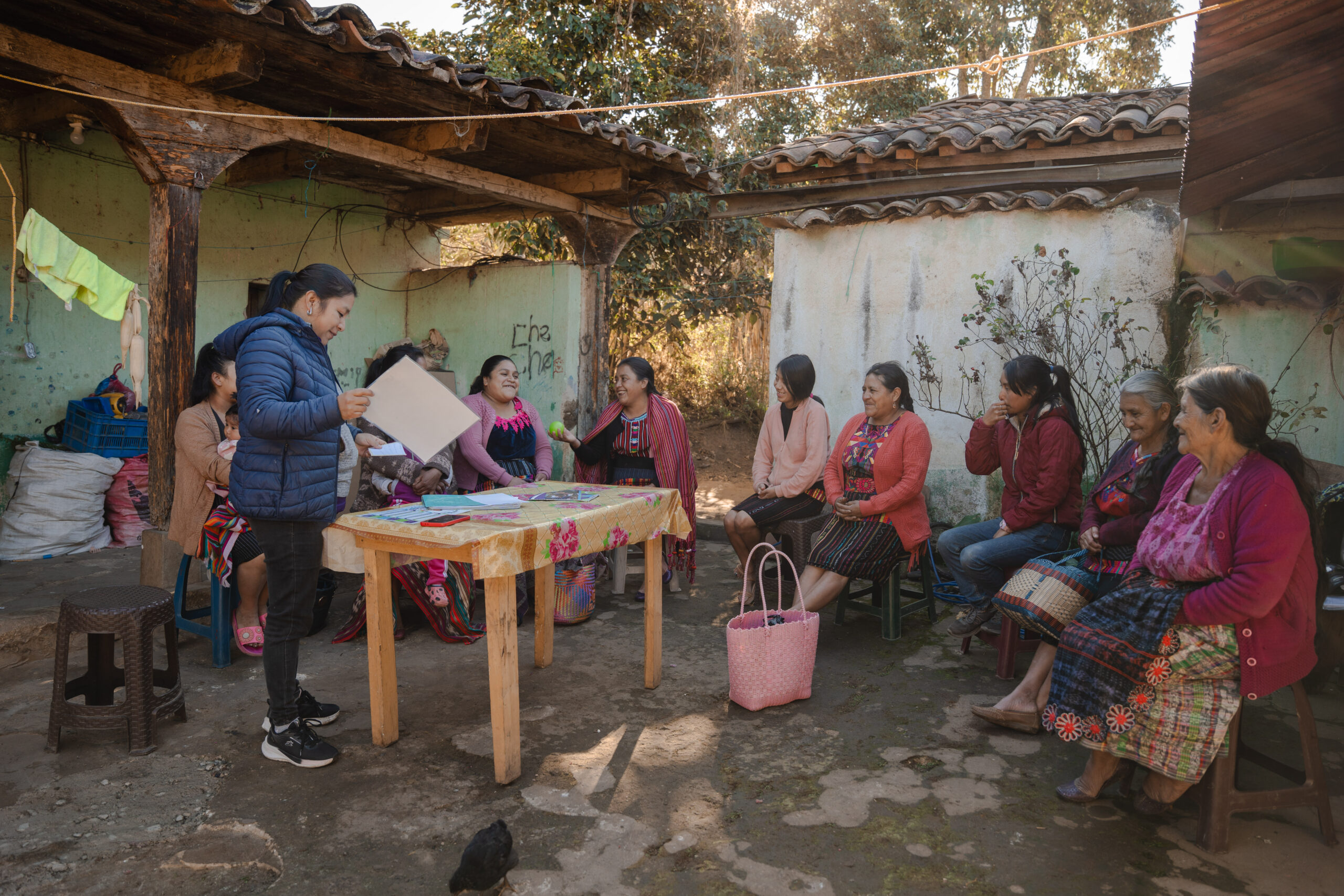
A Credit & Education Facilitator stands at a table and addresses a group of women seated in a semicircle during an outdoor Trust Bank meeting.

Our Approach

Not every client needs the same support. We serve two client segments, Dreamers and Entrepreneurs, and match our services and loans to each. See how our Theory of Change connects what we offer to the outcomes our clients create.
Explore Our Approach

Our History

Friendship Bridge’s history began with its work in Vietnam providing medical education and shipping medical supplies to impoverished populations in war-ravaged areas. While medical supplies were positively impacting the lives of recipients, Friendship Bridge was looking for a more sustainable solution to poverty reduction — the solution was microcredit. In 1994, we shifted our focus from medical supplies to microcredit and began offering small loans to impoverished women. Our clients, indigenous women who were deemed “unbankable,” started or expanded small businesses and began creating their own sustainable solutions to poverty.

In 1998, Friendship Bridge expanded its work to Guatemala, another war-ravaged country suffering extreme poverty and offering limited opportunities to women. Friendship Bridge shifted out of Vietnam as operations in Vietnam became unsustainable due to an unfavorable political climate. Focusing solely on Guatemala, and aided by investment from American donors, the seeds of the Microcredit Plus program we know today were planted. By 2003, almost 3,000 clients were borrowing from Friendship Bridge. By 2006 the number tripled to 9,000 clients, and today we reach over 37,000 women through our programs.

There’s more to explore

Friendship Bridge’s work depends on a community of supporters, volunteers, and partners who believe in the women we serve. Explore our impact, then take action to join us.