In August 2024, Friendship Bridge President & CEO Tracie Cordeiro made the decision to temporarily relocate her family to Antigua, Guatemala. Read on to learn more about Tracie’s motivation for moving and what she has learned so far.
What was the inspiration for your recent move to Guatemala and what do you hope to gain from this experience?
TC: It has been over a year and a half now since I took on the role of President & CEO at Friendship Bridge. So, my inspiration for the move came from a desire to better understand the day-to-day challenges and opportunities we face as an organization. To accomplish this, I thought it was essential for me to be closer to our operations, to our resilient and inspirational clients, and to our hardworking and mission-driven team there. And yes, our beloved black Labrador, Coco, has joined us on this adventure too!
As a leader, I can respond more effectively to the needs of the communities we serve and to innovate continuously with on-the-ground feedback and experiences. Being in the thick of it will allow me to interact in person with our incredible staff in Guatemala, to listen directly to the stories of the women we serve, and to witness firsthand the impact of our Microcredit Plus programs.
The timing for my move to Guatemala fits in perfectly with our recent kick-off meeting, where we began an intensive and thoughtful brainstorming process for updating our new five-year Strategic Plan.
Why Antigua?
TC: My family was a part of the decision making process, and there is a great international school in Antigua for my two daughters, as well as a robust expat and nonprofit community.
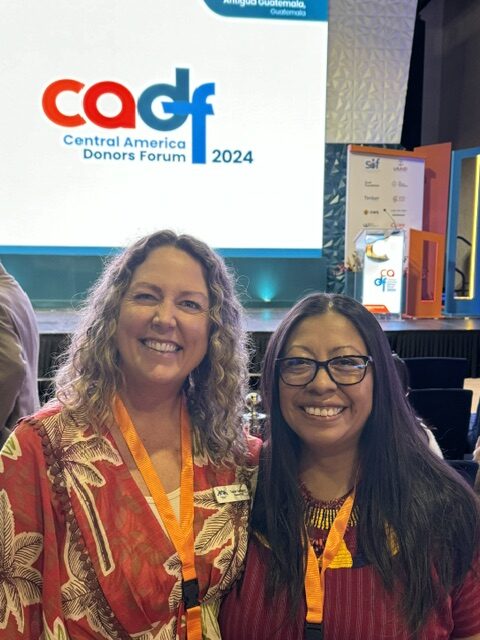
For me, it was actually a strategic move as well because Antigua is very central and gives me great access to other areas. It is only 45 minutes by car to our central office in Guatemala City, a half hour to our Chimaltenango branch, and it is about a two-and-a-half-hour drive to get to Panajachel, where our headquarters are located. Now I am able to attend some of the branch leader and supervisor meetings and learn more from our operations team. Antigua is also a hub for many conferences, which allows me to have easy access to attend these, such as the Volcano Innovation Summit and Central America Donors Forum.
In addition, this move is a great opportunity for us to connect and collaborate with community partners on a more organic level. Many foundations and nonprofit leaders have a strong presence in Antigua, like Maya Health Alliance | Wuqu’ Kawoq, our Health for Life partner. Their mobile clinics are staffed by female medical providers fluent in the indigenous languages our clients speak. This allows us to offer culturally sensitive health services vital for effectively serving rural populations.
Anne Kraemer, Maya Health Alliance’s Co-Founder and Chief Executive Officer, is based in Antigua, and her kids go to the same school as my daughters, so I am able to connect with her and other key partners on a more casual and personal level. I cannot wait to let her know the results of our 2024 Health for Life Challenge in person at her daughter’s birthday coming up soon! I am excited to share that we have exceeded our goal this year to raise critical funding for the preventive health services they provide.
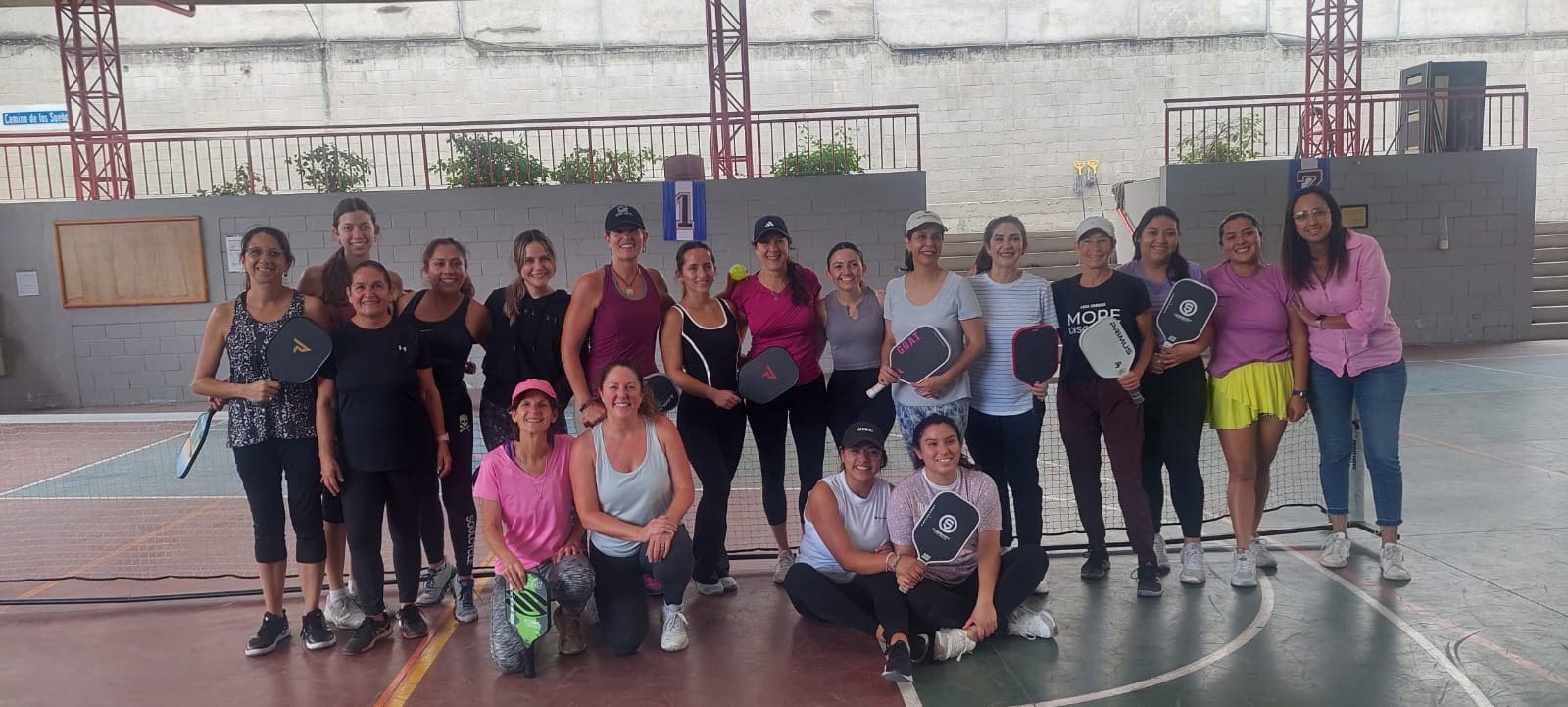
In fact, my move actually coincided with our Health for Life Challenge, and participating in this campaign gave me a chance to combine my love for pickleball with a cause that is close to my heart. Rallying on the courts in Antigua helped me meet new friends! Thanks, Genesee Friendship Circle, for introducing me to this sport.
Can you give us some examples of new connections you have made so far?
TC: Building strong partnerships like the one we have with Maya Health Alliance – based on mission alignment and working towards the same goals – are crucial in developing and sustaining effective programs like Health for Life. And opportunities like these seem to be happening spontaneously since I moved to Guatemala.
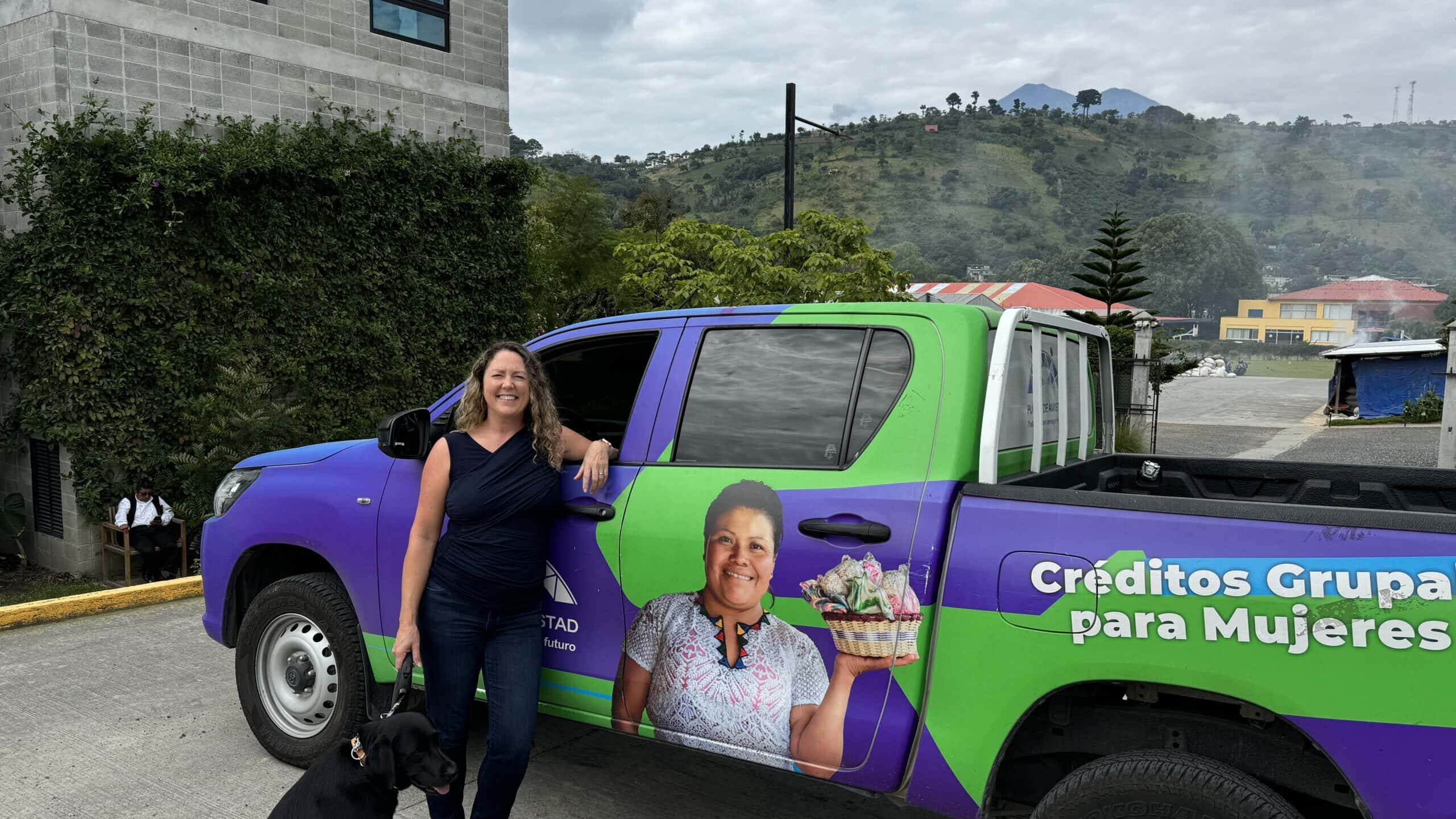
For example, I have been driving around in a little Friendship Bridge pick-up truck, which is absolutely mortifying for my daughters, but at the same time is working to my advantage! After dropping them off at school one day, I headed to a local co-working space called El Cubo, where I met another parent who happened to be the founder of a large marketing agency in Guatemala.
As we were talking, I shared that I worked for Friendship Bridge. Then a look of recognition came over him and he said, “Yes, I have seen your billboard around town. You give out microloans.” Smiling, I pointed outside and said, “Yes, we give out microloans, but maybe you recognize us by seeing my truck sitting out there in the parking lot!”
After a good laugh, I also told him that, coincidentally, marketing would soon become a key focus for us in Guatemala as we try to reach out to more potential clients through educational initiatives. He immediately offered to meet with me and our Guatemalan team, helping us review our website and current strategy – pro bono – and connect us with others who may be able to help with these efforts too.
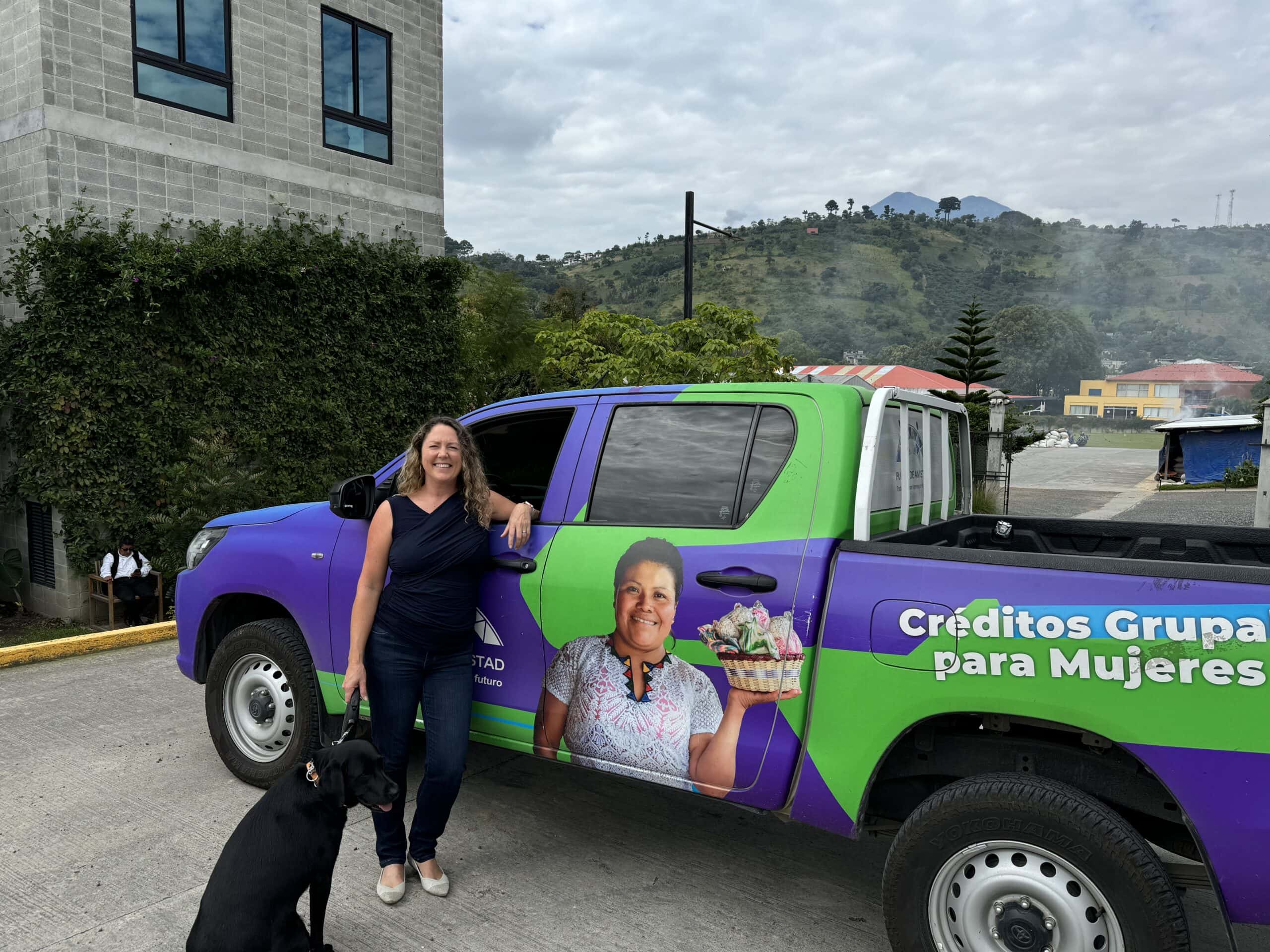
So that was my inkling for the move, that my being in Guatemala full time would better support our ongoing efforts to innovate, adapt, and truly transform the lives of women in Guatemala. I am excited to work with all of you on this incredible journey. We could not do this without you, so let’s keep moving forward together!
More from our CEO: What do you think sets Friendship Bridge apart in the world of microfinance and what are some of your goals for growing?
TC: The number of microfinance lending programs has definitely increased in Guatemala and around the world since Friendship Bridge got its start nearly 30 years ago, including banks and co-ops that have come on the scene, providing competitive interest rates. What makes us stand apart are the ancillary services that we offer – our educational programs, agricultural technical assistance, and our health services for instance.
While a few other organizations offer similar types of services, they’re not as frequent or as impactful as those Friendship Bridge provides to its clients. While our primary goal is to empower women by eliminating poverty, we also believe in a 360-degree view of inclusion, providing support and building capacity beyond just financial considerations. Our social enterprise approach includes truly listening to our clients and the needs they voice, and setting them up for success.
For example, on numerous occasions we have borne witness to the fact that women’s health is a cornerstone of community well-being, which is why we put such an emphasis on programs like Health for Life. This initiative supports thousands of Guatemalan women each year, helping them to gain free access to healthcare in their indigenous language by women nurses in the rural areas where they live.